The math of a weak roofing sales process often hides in the spread between your cost of goods sold and your closing ratio. If you are running about a 22% close rate on a 42% gross margin, the culprit is rarely the number on the proposal alone. It is the friction of value you never translated into plain homeowner language. When someone sees $16,482 next to $13,150, they are not just staring at $3,332. They are weighing risk inside that gap. Shops that discount to save deals are often paying an ignorance tax on the sales process, trading net profit for depth they skipped on the inspection.
When we review lost bids and call notes, about 43% of what gets labeled a price objection is actually a value gap. The homeowner does not yet see why your system costs more than the crew with a ladder and a worn out pickup.
The old story is that the low bidder wins in a packed market. That story misreads how people decide. Labor market data on roofers still points to steady demand for the trade, yet plenty of owners live in a constant panic about price shoppers. Price is usually not the main driver. It is the easiest handle a homeowner can grab when they do not understand what your line items protect.
What we see when shops try to match competitors line for line instead of building a value-based frame in the home.
The psychology of the "too high" pivot
Features answer what you installed. Value answers what could go wrong if you did not.
Last month I rode along near Columbus with a rep named Jaxon. He knew his specs cold. We were on a steep asphalt job, about 32 squares, picky flashing around a masonry chimney. He explained ventilation well. Then he shared the total, $18,743, and the homeowner went quiet.
The homeowner said the other bids landed around fifteen grand. Jaxon's first instinct was to defend underlayment and shingle grade. That is where most reps stumble. They fight on features when the buyer is actually pricing risk. A too high comment usually means, I do not see enough extra security in your story to justify the gap.
We pivoted to outcomes. We walked through how fall-prevention practices on site reduce liability if someone gets hurt on their property. We tied in the material and vent plan that cuts ice dam risk in Ohio winters, details the cheaper bid skipped. Jaxon did not move his price. He left with a signed contract.
What homeowners hear when price feels heavy
| Angle | Feature defense | Risk and outcome story |
|---|---|---|
| Opening move after sticker shock | Lists products and brand names faster | Names what fails first if scope is thin |
| Proof | Talks about crew pride in general terms | Photos from your own leak and repair files |
| Decision frame | Sounds like two shingle SKUs fighting | Sounds like total cost of ownership over decades |
Opening move after sticker shock
Proof
Decision frame
Breaking the three thousand dollar barrier
Contrast beats discounts when the number finally lands.
Owners often assume the space between yes and no is a coupon. Usually it is missing contrast. If you do not build a wall of value before you show the total, the total will always feel heavy.
Action Plan
The value contrast framework
A simple three-part flow that answers price anxiety before it hardens into a hard no.
Liability audit: explain what breaks when flashing or intake venting is half done. Use your own repair photos so it stays concrete.
Total cost of ownership: stack a $17,000 roof on a thirty-year life plan against a $14,000 roof that ages faster because ventilation was ignored. Show yearly cost per year of useful life.
Locked assurance: promise your price holds once shingles come off, and contrast that with bids that find thousands in rotted decking they should have caught on inspection.
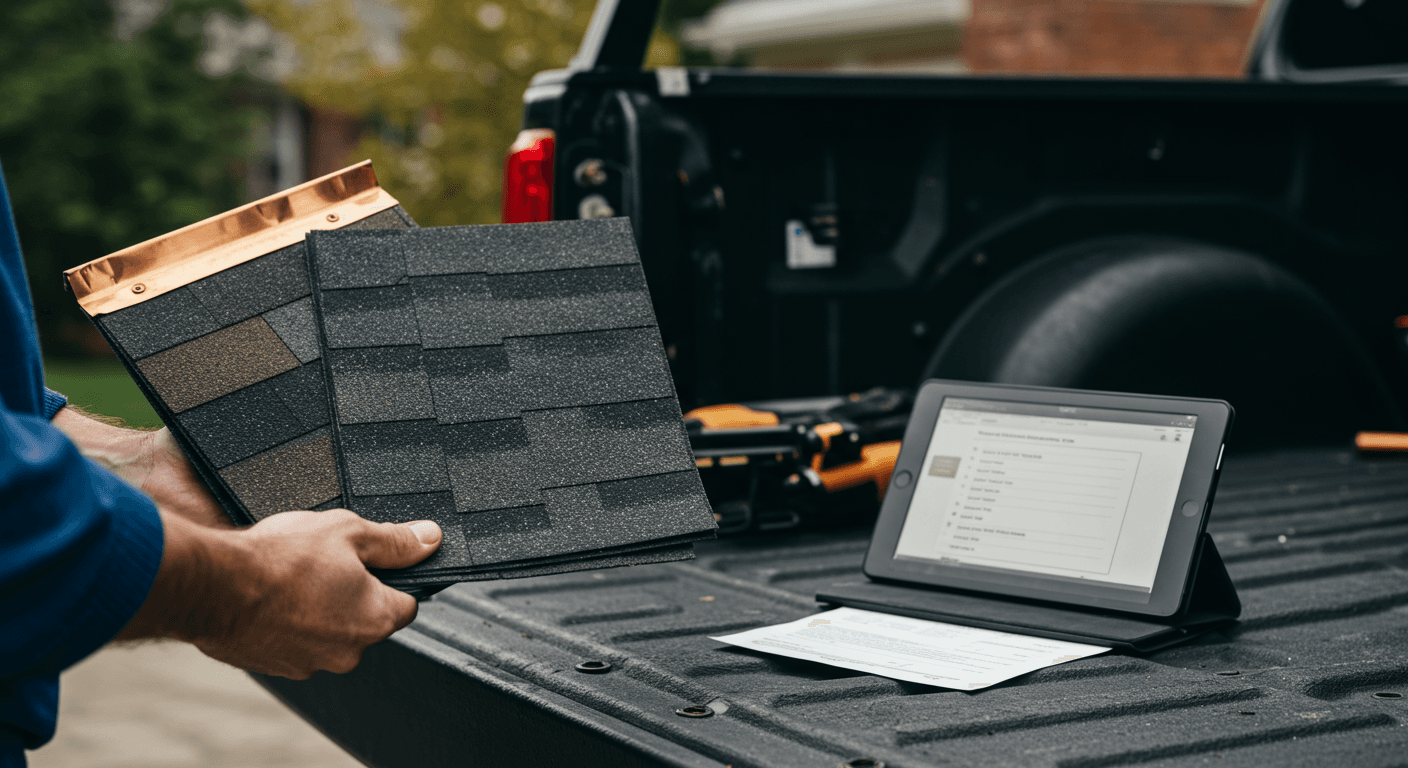
I have watched shops tighten their pipeline when reps can show that contrast on a tablet in the driveway. The objection shifts from a gut reaction to a comparison they can follow. When a strong lead hits after hours, the same reps lean on LeadZik's mobile app for instant alerts and one-tap claiming so the conversation does not go cold overnight.
When the lead source trains homeowners to haggle
Sometimes the table is stacked before you open your mouth.
Not every price fight is coaching. If you keep landing penny battles, look upstream. Shared leads that hit four or five roofers teach homeowners to play bidders against each other before you even set the ladder.
Aria came in with a 14.2% close rate and a bloated stack of unverified names. We tightened intake around opportunities her team could qualify before spending time or fuel. When reps could review locked job previews on the platform before buying the lead, they stopped chasing tire kickers who only wanted a patch quote near five thousand dollars. Six weeks later her close rate was about 31% because the conversations started with real scope, not a race to the bottom.
The "price" vs. investment language shift
"Avoid calling it a price or a cost in your own mouth. Say investment. If they say price, acknowledge it, then steer back: I hear you on the investment side. Here is what that investment buys you over the next twenty-five years."
The "I need to think about it" smoke screen
Polite delay is often a price objection wearing a nicer outfit.
Roughly two thirds of the time, think about it is a soft no on money. You have to isolate the real variable. I teach reps to ask which bucket it is: fit with the rep, trust in the company, or the investment landing higher than they planned.
It feels blunt. It saves weeks of voicemails. If they admit it is money, you can finally talk value instead of chasing ghosts.
The discount death spiral
When you slash price to get a signature today, you signal the first number was negotiable fiction. Trust erodes, change orders get uglier, and homeowners push harder all the way through production.
Storm markets and the deductible conversation
Train legal clarity alongside sales courage.
In hail-heavy towns the objection often sounds like, will you cover my deductible. That is a legal landmine, not a closing tactic. Reps need a calm script that names insurance fraud for what it is, then pivots to character. Homeowners usually understand the integrity gap: a contractor willing to cheat a carrier is not someone you want guessing nail pattern on your shingles.
Revenue per lead, not just more checks
Confidence on price pulls upgrades with it.
The end game is not only more closes. It is better tickets. When reps quit flinching at price, you sell better shingle lines, ventilation upgrades, and gutter packages because the homeowner trusts the diagnosis.
If your team cannot explain why you are ten percent higher, audit the order of the appointment. Are they leading with the estimate or the inspection story. The X-ray comes before the surgery quote. Your photos and measurements are the X-ray.
Margin protection in three lines
Treat most price stalls as missing risk language, not a signal to cut the bid.
Build contrast with liability, life-cycle math, and what happens when scope is thin.
Qualify harder at intake so you are not practicing premium sales on leads built for bidding wars.