At a Glance
Transition from flat-rate square-foot pricing to risk-adjusted coastal bidding to capture a 9.3% average margin lift.
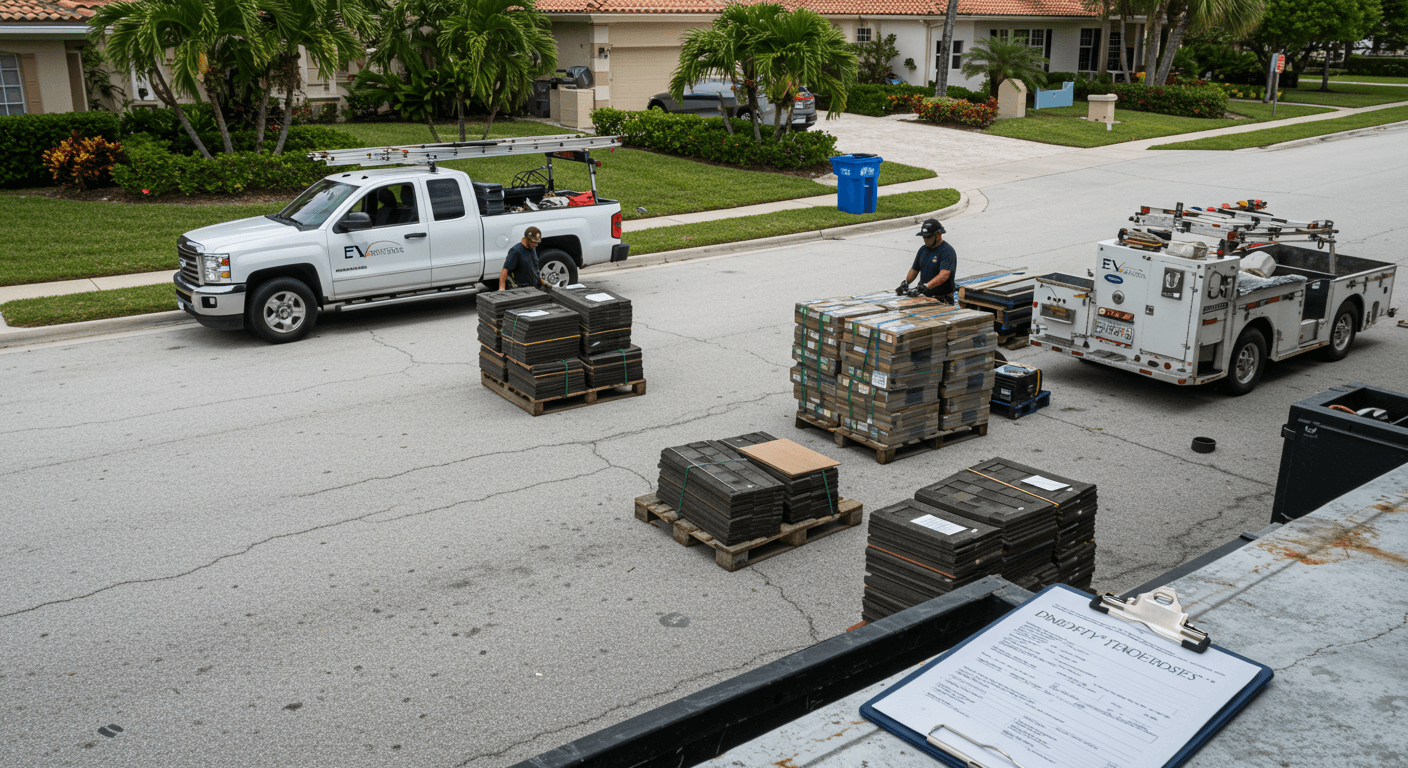
Account for the "South Florida Logistics Tax" by factoring in travel time and staging difficulties in dense Fort Lauderdale neighborhoods.
Leverage hyper-local data to justify premium pricing based on HVHZ compliance and superior material longevity.
Implement a 33-day pricing review cycle to keep pace with fluctuating Broward County material and labor costs.
Stagnant pricing in Broward County is currently the silent killer of roofing margins. I spent three days last month sitting in an office off Sunrise Boulevard with a contractor named Owen, looking at his books for the previous 14.2 months. On paper, his revenue looked healthy, nearly $4.8 million. But when we looked at the net profit, it was hovering at a measly 6.4%. Owen was running his crews ragged from Pompano Beach down to Hollywood, yet he was barely clearing enough to cover his equipment notes. The problem was not his craftsmanship or his team’s hustle. It was a pricing model that treated every zip code in Fort Lauderdale like it was the same generic suburb.
We started digging into the line items for his recent projects in Victoria Park and Coral Ridge. Owen was still using a "one-size-fits-all" square-foot rate that he had set back in early 2022. He had completely ignored the 13.7% spike in local permit fees and the increased logistics costs of moving materials through downtown traffic during peak hours. By the time we finished our audit, we realized he was effectively paying his clients to work on their roofs. This is a trap that many South Florida contractors fall into because they fear that raising prices will hand the job to the "guy with a truck" who undercuts everyone. But in a market defined by High Velocity Hurricane Zone (HVHZ) requirements and salt-air degradation, pricing for survival is a race to the bottom.
Comparison: Flat-Rate Bidding vs. Strategic Coastal Bidding
When we compared the two approaches over a 90-day pilot program, the results were undeniable. The flat-rate model was essentially a gamble on whether the job would go smoothly. The strategic model was a calculated business move.
In the flat-rate model, Owen’s average profit per job was $1,842. However, when a job hit a snag (like a permit delay or discovered rot), that profit often evaporated. In the strategic model, his average profit per job jumped to $3,157. Even with a slightly lower close rate (it dipped from 31% to 26.4%), his total net profit increased because he was working on the right jobs for the right price. He was no longer the "cheapest" option, but he was the most sustainable one.
He even started using the LeadZik mobile app to manage his pipeline more effectively. When a high-value lead came in that fit his new "Coastal Protection" profile, he could claim it instantly and get an estimator on-site before the homeowner started looking for "budget" alternatives. This speed to lead, combined with a professional, tiered pricing presentation, made the higher price point much easier for clients to swallow.
Recommendation: How to Own the Fort Lauderdale Market
If you want to scale your roofing business in South Florida, you have to stop treating your pricing like a defensive measure. It is your most powerful offensive tool. You need to be aware of the professional requirements of the trade. For example, the BLS guide on becoming a roofer mentions the physical stamina and balance required for the job, but as a business owner, your "stamina" is your cash flow. If your pricing is weak, your cash flow will eventually fail, no matter how many roofs you install.
I told Owen that he needed to stop being afraid of the word "No." A "No" from a client who only wants the lowest price is actually a "Yes" to your company’s long-term health. By filtering out the low-margin noise and focusing on high-intent, verified opportunities, you can build a business that thrives even when the market gets tight. For contractors looking to jumpstart this shift, I often suggest using the $150 in free lead credits to test your new tiered pricing on a fresh batch of prospects. It is a low-risk way to see exactly how the market responds to your new value proposition.
Owen’s business is different today. He is no longer stressed about the 15th of the month when payroll is due. His net margins have stabilized at 15.2%, and he has even started upgrading his fleet to more fuel-efficient vehicles to combat the rising costs of Broward County traffic. He didn't need more leads. He needed better pricing and a smarter way to target the leads that actually mattered.
Final Thoughts on Scaling via Price Optimization
The transition from a "contractor" to a "business owner" happens the moment you start valuing your time and your crew’s expertise as much as the materials you install. In a market as demanding as Fort Lauderdale, you cannot afford to guess. Use real data, account for the coastal risks, and present your value with confidence. When you do that, you stop chasing the market and start leading it.