At a Glance
Reduce the "float" by negotiating 30-day terms with local Indianapolis suppliers to align with insurance payout timelines.
Implement a two-step deposit structure (Material Deposit + Mid-Point Progress) to cover 62% of hard costs before the final inspection.
Shift from general canvassing to exclusive lead sources to increase closing ratios and decrease the cost per acquisition.
Track "Cash Days on Hand" as a primary KPI to ensure the business can survive a 45-day weather-induced work stoppage.
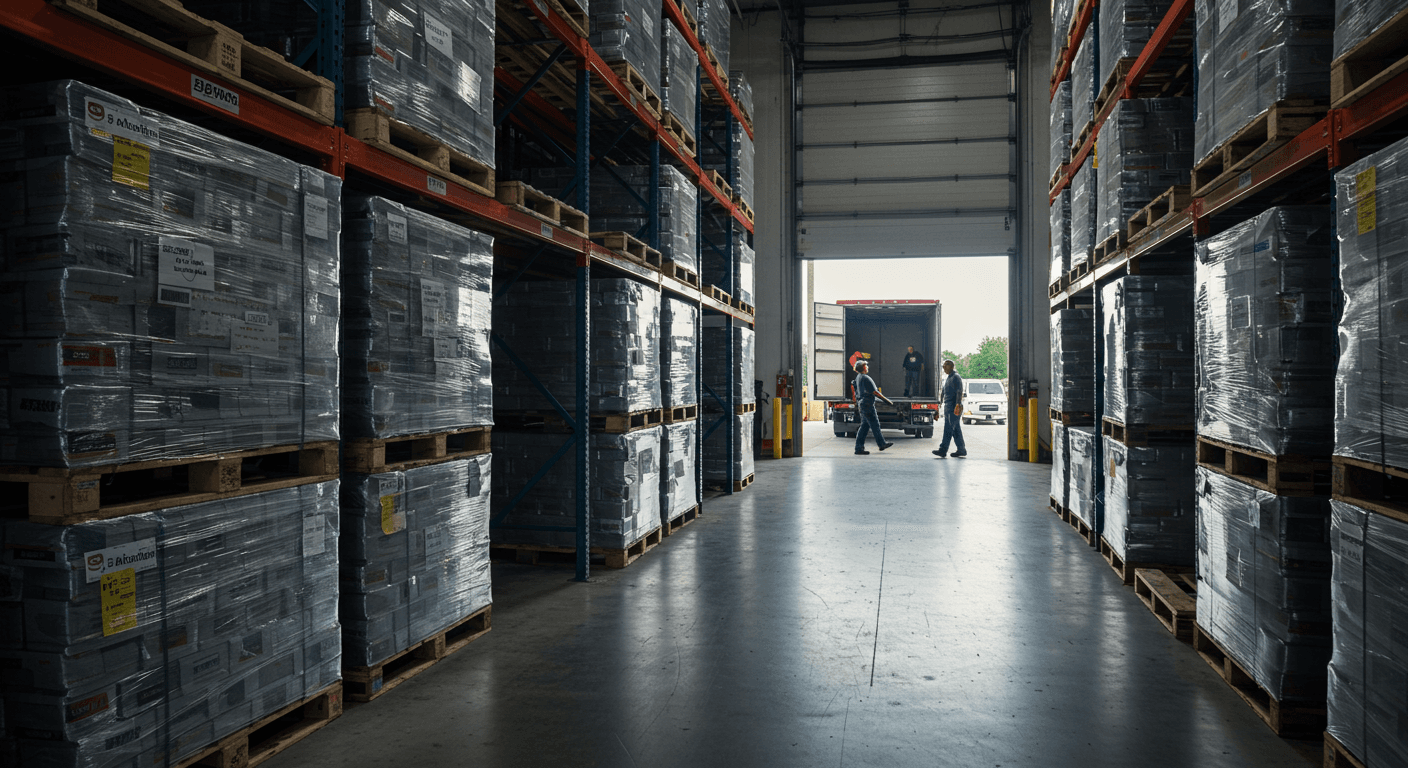
Walking through a sprawling storage yard near Castleton, Vance kicked a pallet of architectural shingles that had been sitting since late August. He wasn't actually angry at the shingles. He was frustrated that $14,328 in working capital was tied up in dead inventory while his accounts receivable board showed $186,450 in outstanding balances. This wasn't a lack of work issue. Indianapolis had seen several significant hail events near Noblesville and Fishers earlier that summer. The problem was the delay. His crews required their weekly checks every Friday, but the insurance carriers were taking an average of 22 days longer than the previous year to release depreciation checks.
This is the hidden "growth trap" I see across the Circle City. A roofing company can be profitable on paper but go bankrupt in the bank account because the timing of cash moving in and out is misaligned. When I looked at Vance's books, we found that his average project cycle took 34 days from contract to final payment, but his labor and material costs were due within 7 to 10 days. That 24-day "float" was killing his ability to take on new high-margin jobs.