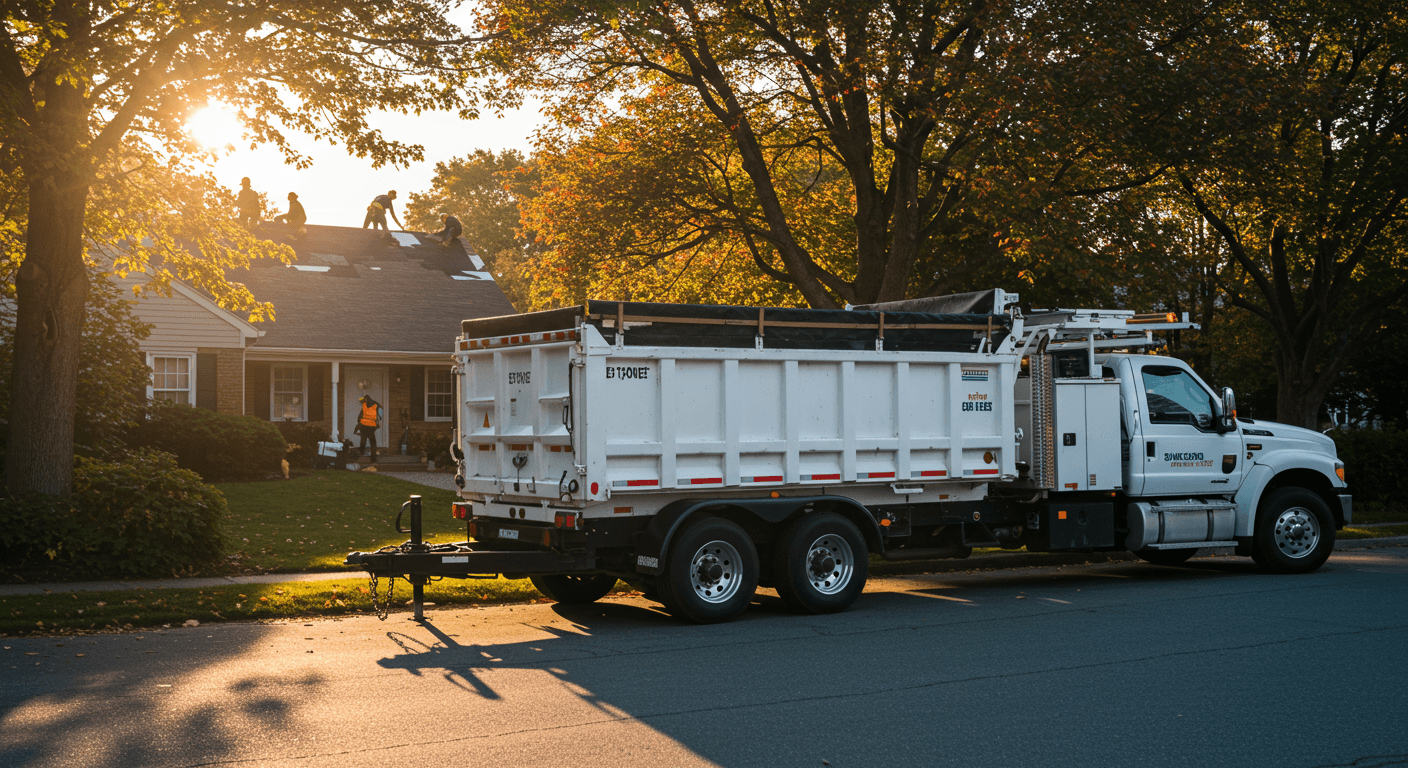
Common wisdom in the Springfield and Worcester yards says that if you can't buy it in cash, you can't afford it. Most old-school owners I talk to think debt is a dirty word that leads to bankruptcy. They brag about owning their fleet outright while their bank accounts sit dangerously low during a rainy week in April. I'm here to tell you that this "cash is king" mentality is actually the fastest way to stunt your growth in the Bay State.
I spent last Tuesday at a shop in Brockton with an owner named Elias. He'd just written a check for $87,432 to buy two new trucks and a dump trailer. He was proud of the zero-interest "deal" he got by paying upfront. Two days later, a major job on the North Shore got delayed, and his payroll for fourteen guys was due. He had the equipment, but he didn't have the liquidity to keep his best crew from walking away. Using your operating capital to buy depreciating metal is a strategic error that ignores the real cost of missed opportunities.
At a Glance
Preserving cash reserves allows you to weather Massachusetts' unpredictable seasonal shifts without hitting a liquidity wall.
Financing often provides tax advantages via Section 179 that can outweigh the cost of interest when calculated over a 4.8-year term.
New equipment reduces 'hidden' operational waste like unscheduled downtime, which I've seen cost shops upwards of $940 per day per crew.
Scaling a fleet via financing allows you to take on 27.4% more volume without waiting years to save for the next vehicle.
The Real Cost of "Waiting Until You Have the Cash"
When you wait three years to save up for that next $62,400 box truck, you aren't just saving on interest. You are actively losing the revenue that truck could have generated during those 36 months. In the Massachusetts market, where the average residential roof replacement might net you a healthy margin, missing out on just two extra jobs a month because you lacked the transport capacity is a massive hit to your bottom line.
I've run the numbers for several shops between Boston and Pittsfield. The contractors who finance their expansion typically see a much faster path to market dominance. By spreading the cost of a $112,500 equipment upgrade over five years, your monthly nut stays manageable while your production capacity jumps immediately. This allows you to reinvest that initial $112,500 into high-intent leads or better crew training, which actually moves the needle on your ROI.
Contractors who upgrade their fleet through strategic financing see immediate improvements in production capacity and crew efficiency.
Navigating the Lease vs. Buy Decision in the Bay State
Choosing between a fair market value (FMV) lease and an equipment loan isn't just about the monthly payment. It's about your long-term operational strategy. In Massachusetts, our harsh winters and salt-heavy roads mean equipment takes a beating. If you're running crews up and down Route 128 every day, your maintenance costs will skyrocket after year four.
An FMV lease works well for high-mileage setups because it allows you to rotate the fleet every 3.2 years. You avoid the "maintenance cliff" where repair bills start exceeding the monthly value of the vehicle. On the other hand, if you have a specialized piece of equipment—like a high-end gutter machine or a heavy-duty crane—buying through a loan makes more sense because those assets hold their value longer than a standard pickup.
Buying with Cash vs. Strategic Financing
| Factor | Buying with Cash | Strategic Financing |
|---|---|---|
| Initial Cash Outlay | 100% upfront ($87,432) | 10-20% down payment |
| Monthly Cash Flow Impact | Massive one-time drain | Predictable monthly payment |
| Tax Benefits | Depreciation over 5+ years | Section 179 deduction in year one |
| Equipment Refresh Cycle | 7-10 years (aging assets) | 3-5 years (modern fleet) |
| Scaling Speed | Limited by savings rate | Scale immediately with capacity |
Initial Cash Outlay
Monthly Cash Flow Impact
Tax Benefits
Equipment Refresh Cycle
Scaling Speed
Tax Strategy: The Section 179 Advantage
One of the biggest reasons I push my clients toward financing is the federal Section 179 deduction. This allows you to deduct the full purchase price of qualifying equipment in the year you put it into service, even if you've only made a few months of payments.
According to the Small Business Administration (SBA), managing capital effectively is one of the primary pillars of sustainable growth. For a roofing company in a high-tax state like Massachusetts, being able to knock $74,200 off your taxable income while only having spent $12,400 in down payments and monthly installments is a massive win for your year-end cash position.
The 80% Rule
"Never finance more than 80% of your fleet's total value if you want to maintain a healthy debt-to-equity ratio for future bank bonding."
Implementing a 48-Month Fleet Refresh Cycle
If you want to run a lean, efficient operation, you need a system. I recommend a staggered financing approach. Instead of replacing five trucks at once and taking on a massive monthly obligation, replace one truck every 9 to 11 months.
This creates a "rolling" financing cycle. As one loan falls off, a new one begins. Your fleet stays modern, your crews stay happy because they aren't driving beat-up 2012 vans, and your brand looks professional to high-end homeowners in places like Newton or Wellesley.
Action Plan
The Equipment Acquisition Workflow
A systematic approach to acquiring equipment that protects your cash flow while scaling your operation.
Analyze Utilization: Review your last 14 months of crew logs. If you're renting trailers more than 6.4 days a month, it's time to buy.
Secure Pre-Approval: Get your financials in order. Lenders want to see two years of clean P&Ls and a CSL in good standing.
Compare Rates: Look at captive finance (from the dealer) versus local Massachusetts credit unions. Local banks often have better terms for established trades.
Calculate Break-Even: Ensure the new asset generates at least 3.1 times its monthly payment in new gross profit.
Execute Section 179: Work with your CPA to ensure the equipment is 'placed in service' before December 31st to claim the deduction.
Want to skip the manual work and get exclusive, verified leads instead?
Get $150 in Free CreditsThe Hidden Danger: Over-Leveraging
While financing is a tool for growth, it can become a noose if you aren't careful. I once worked with a contractor in Framingham named Nate who financed four high-end rigs right before a major market dip. His fixed overhead became so high that he had to take low-margin repair work just to cover the equipment notes.
To avoid this, I always suggest keeping a "Rainy Day Ratio." Your total monthly equipment debt should never exceed 16.5% of your average monthly gross revenue. This buffer ensures that even if a blizzard shuts down job sites for two weeks in February, you aren't at risk of losing your fleet.
Avoid Long-Term Terms
Never finance a work truck for more than 60 months. In the roofing industry, the 'hard miles' we put on vehicles mean the asset's value often drops below the loan balance by year five.
Aligning Your Lead Flow with Your New Capacity
There is no point in financing a new $54,300 truck if it's going to sit in your yard half the week. I see this mistake often: a contractor gets the equipment but doesn't have the "fuel" (leads) to keep it running. Your financing strategy must be synced with your marketing and lead generation.
Before you sign that lease agreement, you need to ensure your pipeline is robust enough to support the extra crew. This is where platform features like territory locking become essential. If you know you have exclusive access to verified leads in a specific zip code, you can finance equipment with the confidence that the work will actually be there.
According to the National Roofing Contractors Association (NRCA), successful contractors balance equipment investment with lead generation capacity. The most profitable shops I work with use verified lead systems to ensure their financed equipment stays busy year-round.
Moving Toward a Leaner Operation
Managing a roofing business in Massachusetts is complicated enough with the weather and the competition. You don't need the added stress of a depleted bank account. By shifting your mindset from "ownership at all costs" to "strategic capital management," you free up the cash necessary to scale.
Whether you're looking to add a new crew for the busy fall season or you're tired of losing 11.2% of your production time to old equipment breaking down, financing is a tactical lever you should be pulling. If you have questions about stabilizing your lead flow to support this growth, getting those answers is your next logical step.
According to the SBA's guide on growing your business, successful expansion requires a balance between aggressive sales and conservative cash management. Use financing to buy the tools, and use your cash to buy the growth.