Ever tracked the exact dollar amount your crews burn in fuel and idle labor just crossing the Continental Divide for a single residential repair?
Last October, I sat in a drafty office in Missoula with a contractor I will call Vance. He was frustrated. On paper, his company was "dominating" Western Montana. He had trucks visible from Kalispell down to Hamilton. His top line was north of $4.2 million, but his net profit was hovering at a measly 6.4%. When we dug into the data, we found the culprit: geographic dilution. Vance was so obsessed with "owning the market" that he was accepting every lead that hit his inbox, regardless of the logistical nightmare it created for his production manager.
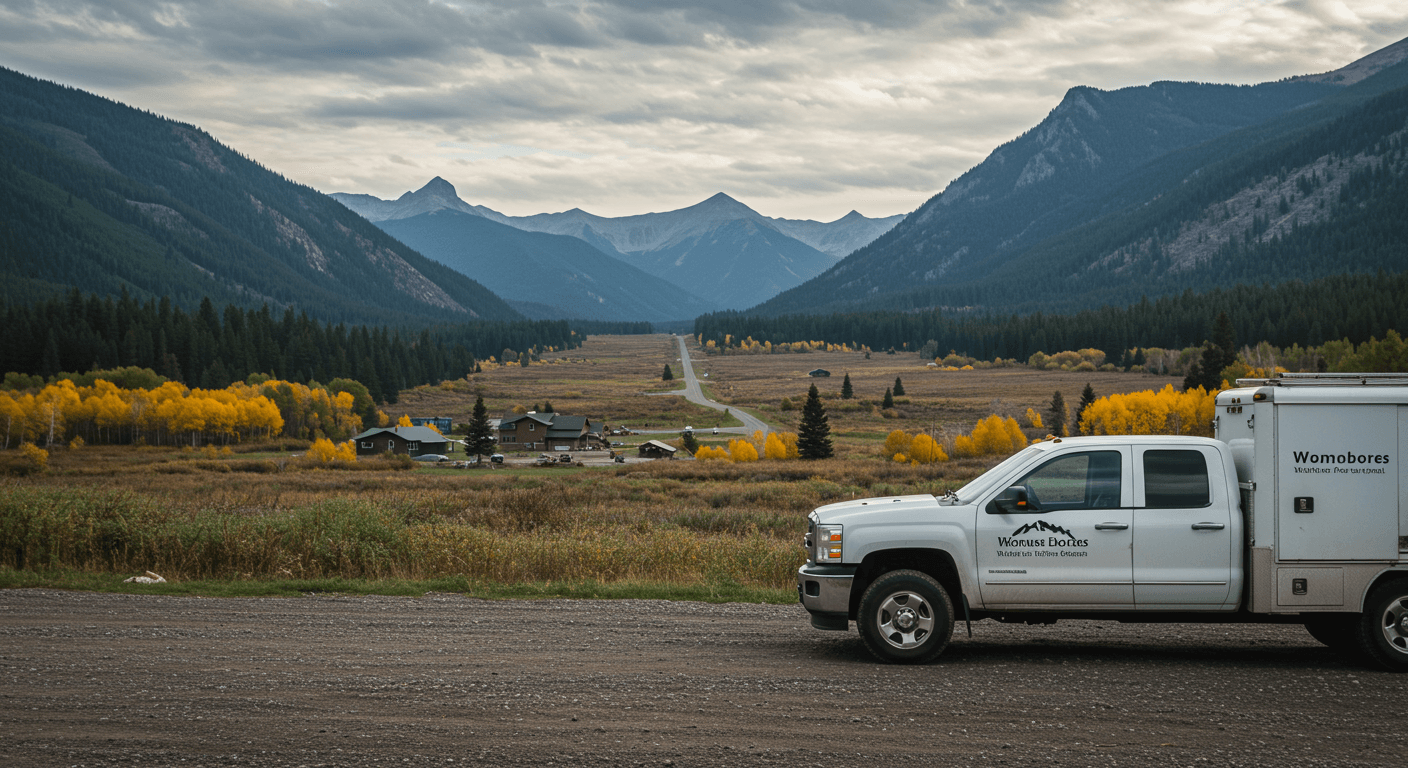
The myth that market share equals total geographic coverage is killing roofing margins across the state. In a place like Montana, where the distance between job sites can easily span 130 miles of mountain passes, dominance isn't about being everywhere. It is about being the most efficient where you already are.
Main Points
Density Over Distance: A 5% increase in job site density can lead to a 12.7% increase in net profit through reduced "windshield time."
Verification is Profit: Every unverified lead you chase costs your business approximately $147 in wasted overhead and opportunity cost.
Brand Authority: Specializing in Montana-specific challenges, like high-altitude ice damming or heavy snow load builds, allows for 15% higher ticket prices.
The Montana Barrier: Why Low Entry Bars Demand High Strategy
Unlike many neighboring states, Montana does not require a specific state-level trade license for roofing contractors, only a basic registration with the Department of Labor and Industry. This low barrier to entry means the "market" is constantly flooded with "two guys and a ladder" operations that underbid professional outfits by 28% or more.
If you try to compete on volume alone against these fly-by-night crews, you will lose. Dominance in this environment requires a shift from chasing leads to owning high-value territories. I've seen shops try to scale by hiring more sales reps, but without a system to verify lead quality before the gas tank is filled, they just end up scaling their losses.
Action Plan
The 3-Step Geographic Density Framework for Montana Markets
A strategic approach to building profitable market dominance through geographic concentration rather than widespread coverage.
The 45-Mile Hard Deck: Analyze your last 18 months of projects. Identify the central hub where 72% of your profitable jobs occurred. Set a hard rule: any job outside a 45-mile radius of this hub requires a 14.5% "distance premium" on the estimate.
Micro-Market Saturation: Instead of statewide SEO, focus your marketing spend on specific high-growth corridors, like the Gallatin Valley or the Flathead. Use localized reviews and site signs to create the illusion of omnipresence in a 10-mile radius.
Intent Filtering: Stop buying shared leads that put you in a race to the bottom against five other contractors. Use a platform that allows you to preview verified job details so you only commit your sales team to projects that fit your ideal margin profile.
Want to skip the manual work and get exclusive, verified leads instead?
Get $150 in Free CreditsThe key is using tools that let you preview verified job details before committing your team's time and resources to a lead that might not fit your ideal margin profile.
The Efficiency Trap: Volume vs. Enterprise Value
Most owners I talk to think that adding more crews is the only way to increase the value of their business. They want to be the "big dog" in Billings. But when it comes time to sell that business, a buyer isn't looking at your truck count. They are looking at your customer acquisition cost (CAC) and your contract-to-install timeline.
When Vance and I looked at his numbers, we realized his CAC was $843 per customer in Great Falls, but only $412 in Missoula. By cutting out the distant leads and focusing on the 406 area code hubs, we dropped his fuel costs by 19.2% in a single quarter. This is how you build enterprise value. You create a repeatable, profitable machine that doesn't rely on the owner's ability to drive 500 miles a week.
Achieved by focusing on high-density territories instead of statewide coverage.
The Labor Reality and Safety Margins
Scaling in Montana isn't just a sales problem; it is a human capital problem. Finding crews who understand the physical requirements and training standards necessary for mountain roofing is difficult. When you are spread too thin geographically, your safety protocols often slide.
We cannot ignore the risks inherent in our trade. The 2025 industry data regarding fatal falls shows that roofing remains one of the most dangerous sectors. When your crews are rushed or exhausted from long commutes between Helena and Bozeman, the risk of a catastrophic incident spikes. Market domination means nothing if your EMR rating skyrockets because you pushed your team too hard to cover too much ground.
One Montana contractor saw this improvement by reducing their service area by 30% and focusing exclusively on exclusive, verified leads.
Rethinking Lead Acquisition
The old way of dominated a market was through brute force: billboards, radio spots, and buying every lead list available. The new way is through precision. LeadZik was built by roofers who were tired of that "shotgun approach."
In a market like Montana, where every lead matters because the population is sparse, you cannot afford to waste time on homeowners who are "just looking." You need to see the scope before you pick up the phone.
The "Wide-Net" vs. "High-Density" Strategy Comparison
| Factor | The "Wide-Net" Approach | The "High-Density" Dominance |
|---|---|---|
| Service Area | Statewide / 150+ miles | Targeted / 45-mile radius |
| Lead Quality | Shared / Unverified | Exclusive / Verified Previews |
| Profit Margin | 5% - 9% (High overhead) | 14% - 22% (Lean operations) |
| Crew Retention | Low (Burnout from travel) | High (Predictable schedules) |
| Market Reputation | Known but "Expensive" | The "Go-To" local expert |
Service Area
Lead Quality
Profit Margin
Crew Retention
Market Reputation
Tactical Implementation: The Winter Pivot
Dominating the Montana market requires a different strategy in January than it does in July. While the "two guys and a ladder" crews are hibernating, the dominant players are using data to prep for the spring rush.
I advised Vance to spend his winter months cleaning up his CRM and identifying "lost" leads from the previous season. By re-engaging homeowners who didn't pull the trigger in the fall, he entered March with a $642,000 backlog. He wasn't out-hustling the competition; he was out-planning them.
The Montana Referral Loop
"In small markets like Kalispell or Whitefish, reputation is your strongest lead generator. After every completed job, offer a $250 "Power Bill Credit" (in the form of a gift card) to any customer who refers a neighbor within a 2-mile radius. This creates the geographic density you need to lower mobilization costs."
Moving Toward Real Domination
Stop measuring your success by how many counties you cover. Start measuring it by the percentage of the profitable jobs you win in your primary backyard. When you stop chasing the "noise" and start focusing on verified, high-intent opportunities, your bottom line will reflect the change.
Market share isn't about the size of your map. It is about the health of your P&L. If you want to build a legacy business in Montana, you have to be willing to say no to the wrong jobs so you have the capacity to say yes to the right ones.