Main Points
Actionable insights for roofing businesses in today's competitive market
Data-driven strategies to protect and grow your profit margins
Practical steps you can implement this week to see real results
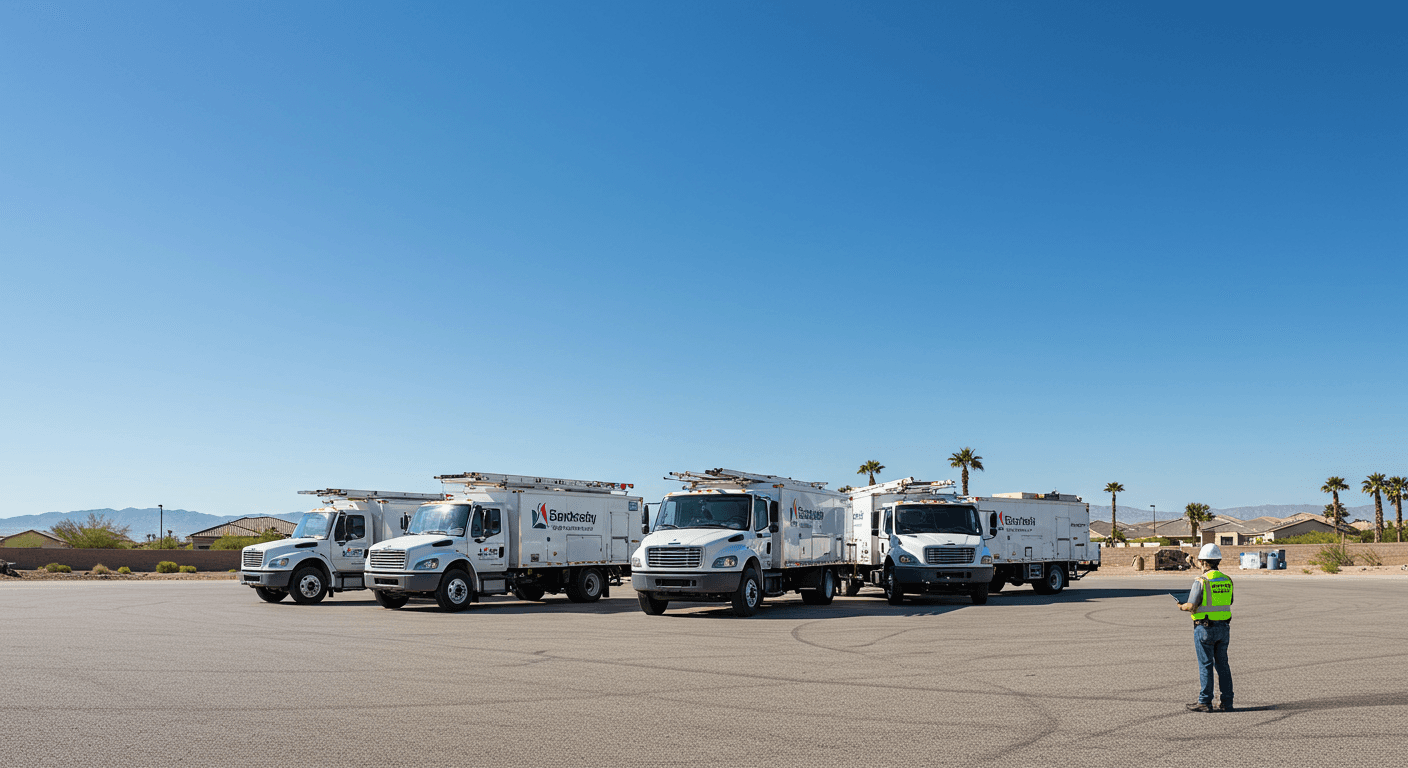
Four crews were pinned down in Ocotillo while a fifth sat idling in a parking lot near the Santan Freeway because the permit office in a neighboring municipality had different requirements than what we were used to in Chandler. Jaxon, the owner of a mid-sized residential outfit, was staring at a GPS map that looked more like a crime scene than a production schedule. He’d just opened his second location thirty miles away, and instead of doubling his profit, he was hemorrhaging $14,285 a week in unallocated labor and fuel costs.
I stood there in his makeshift satellite office, watching him realize that "more" doesn't always mean "better." Scaling a roofing business isn't about buying more trucks or hiring more bodies. It’s about the surgical replication of your winning systems in a new environment. If your Chandler office relies on you being there to "put out fires," your second location will simply be a bigger fire that you can't reach in time because you're stuck in traffic on the Loop 101.
Sales Psychology Across Different Zip Codes
One of the biggest mistakes Jaxon made was assuming a homeowner in a high-end Gilbert suburb would buy the same way as a property manager in South Chandler. They don't. The psychological triggers change based on the neighborhood's median age, the age of the homes, and even the specific HOA requirements.
I spent a week riding along with one of his new reps, Aria. She was talented, but she was using a "storm chaser" high-pressure tactic in an area where homeowners valued consultative long-term maintenance. We sat in a kitchen on a Tuesday afternoon, and I watched her lose a $22,400 re-roof because she didn't address the homeowner's concern about the specific solar panel detachment process required in that community.
I pulled her aside and we reworked the script. We stopped selling "the roof" and started selling "the 25-year East Valley protection plan." We adjusted the close rate from 17% to 31% in just under three weeks by tailoring the value proposition to the local demographic while keeping the backend sales process identical.
Scaling your roofing business in the Arizona heat is a test of your systems, not your grit. You already have the grit—you’ve built a successful shop in Chandler. Now, you need the discipline to step back, build the machine, and let it run. Whether you're eyeing a move into Tempe, Gilbert, or even Scottsdale, the blueprint remains the same: centralize the brain, decentralize the muscle, and never, ever compromise on your sales process.
The 'Phantom Warehouse' Strategy
"### Standardizing the Production "Handshake" The "Handshake" is the moment the sales rep passes the folder to the production manager. In a single-location shop, this often happens over a literal handshake or a quick shout across the warehouse. In a multi-location setup, that folder has to be digital, impeccable, and standardized. If your Chandler office uses one CRM and your new Mesa branch is still using paper files, you’re going to lose 6.3% of your margin to "forgotten" change orders and misordered shingles. Every project needs a photo-documented pre-start checklist. I’ve seen $11,000 mistakes happen simply because a crew at a satellite branch didn't know that a specific municipality requires a mid-roof inspection before the final shingle is laid. [COMPONENT: CompareChart title="Expansion Management Models" leftTitle="Centralized Command" rightTitle="Decentralized Chaos" leftData="Lower overhead per location;Consistent brand voice;Data-driven lead routing;Master purchasing power" rightData="Double administrative costs;Inconsistent customer experience;Leads 'falling through cracks';Fragmented vendor pricing"] ### Managing the Cash Flow Gap Expansion is a hungry beast. It eats cash faster than a crew eats pizza on a Friday. Most roofing contractors fail during expansion not because they lack work, but because they run out of liquid capital to bridge the gap between material deposits and final insurance checks. In the Chandler market, where competition is dense, you might be tempted to buy your way into the new territory by undercutting prices. This is a death sentence. Your overhead in a multi-location setup is naturally higher for the first 11.4 months. You should actually be looking for higher-margin work to offset the expansion costs. If you’re struggling with the financial planning of a second location, I highly recommend looking into business mentorship through organizations like SCORE. They provide free guidance that can help you build a pro forma that actually reflects the reality of the Arizona roofing market. ### Establishing the "Branch Playbook" You cannot be in two places at once. To scale, you have to replace your presence with your "Playbook." This isn't a 200-page manual that sits on a shelf; it's a living set of videos and checklists that dictate how every situation is handled. When Jaxon finally implemented the playbook, his role shifted. He went from being the "Chief Firefighter" to the "Chief Systems Officer." He spent his mornings looking at the dashboard for both locations, checking the lead-to-contract ratio and the average job cycle time. If the Mesa branch dipped below a 24% close rate, he didn't drive over there to close deals himself; he looked at the training data to see where the system was breaking down. One specific tool we used was a "Daily Huddle" recorded on Zoom. Every morning at 6:45 AM, both branches hopped on a 10-minute call. It created a sense of "One Team, Two Roofs." We shared one win from the previous day and one bottleneck for the current day. It sounds simple, but that 10-minute investment saved us an estimated 14 hours of "phone tag" every week. ### The 14-Month Rollout Timeline Scaling isn't a sprint; it's a series of measured steps. I usually advise my coaching clients to follow a specific timeline when moving from their home base in Chandler to a new territory: 1. Months 1-3: Remote testing. Run leads in the new area but stage all materials and crews from the Chandler hub. 2. Months 4-6: The "Phantom Warehouse" phase. Rent local storage for materials to cut down on drive time. 3. Months 7-9: Hire a local Branch Manager. This person should spend 30 days shadowing your best people in Chandler first. 4. Months 10-14: Formalize the branch. Sign the lease, wrap the new trucks, and shift to local permitting. If you jump straight to month 14, you’re betting the farm on an unproven market. By the time Jaxon hit month 14, his second location was already contributing $88,400 in net profit to the bottom line, rather than draining it. [COMPONENT: FAQSection] * How do I find a Branch Manager I can trust? Never hire a stranger for this role. Promote your most consistent Sales Manager or lead Foreman. They need your company's DNA in their blood before they take over a satellite office. * What’s the biggest hidden cost of expansion? Vehicle maintenance. When you expand across the Valley, your trucks are doing 40% more miles on the 101 and 202. If you don't adjust your "wear and tear" budget, your fleet will fall apart in 18 months. * Should I change my company name for the new location? No. Keep the brand consistent. "Chandler’s Best Roofing" might work in Chandler, but if you're moving to Mesa, consider a more regional name like "East Valley Elite" or simply stick to your primary brand name to maintain SEO equity. * How many leads do I need to support a second location? You need enough to keep at least two crews fully booked for 3.5 weeks out. If your lead flow is inconsistent, contact our team to discuss how exclusive, verified leads can stabilize your expansion pipeline."