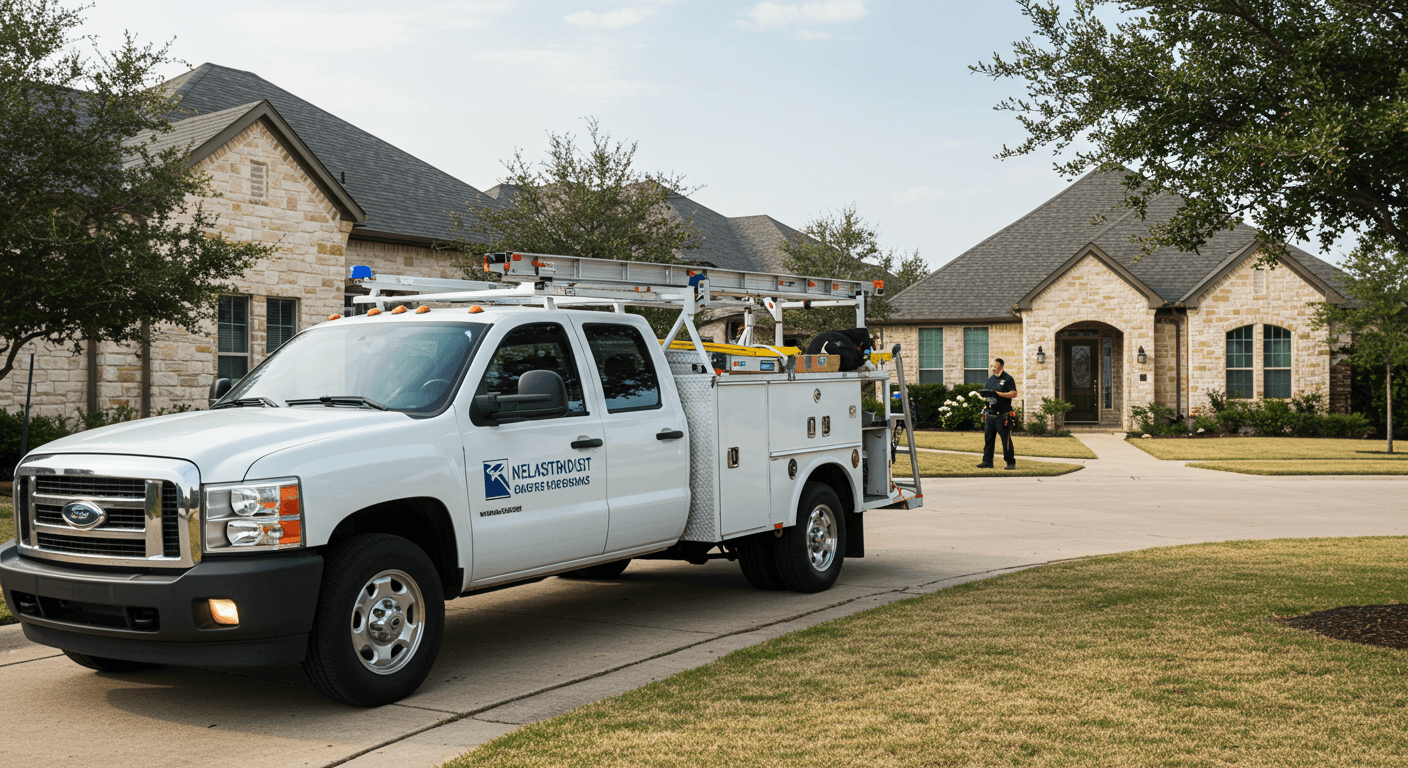
Fast-growing roofing shops in Texas often stall for a boring reason: the person who can talk a homeowner into a contract is not always the same person who can read a deck, photograph damage like an adjuster expects, and hand production a buildable file. The crews end up guessing, supplements get messy, and margin leaks on work you already thought you won.
This playbook is a hiring and handoff system, not a pep talk. It blends a field audition, a documentation standard your PM can trust, and comp design that rewards a clean transfer to production. The goal is simple. Every signed job should be a job you can build at the number you sold.
The Estimator Excellence Framework
Define a Triple-Threat profile: sales skill, forensic documentation, and operational discipline on the ladder.
Run a field audition on steep-slope work before you trust a rep with your brand and your backlog.
Cut change-order leakage with a production-ready file standard and a PM sign-off gate.
Split commission so the rep is paid for the close and for the handoff, not just the signature.
Two months ago I sat with Devin, who runs about $4.8M out of New Braunfels. His top seller had just booked a $32,450 residential replacement. Production showed up and found a missed chimney cricket plus forty-two feet of rotted fascia the rep never photographed. The homeowner balked at the change order. Devin absorbed about $2,185 in labor and material. The rep could sell in the dark, but the file was thin. That pattern was eating roughly 9.2% of their annual margin.
The sales-only trap
High talk track plus low documentation is not a personality quirk. It is a line item. If your estimator treats photos like homework, your PM becomes the unpaid supplement department and your crews eat the variance.
Why sales-first reps break down in Texas production
Texas punishes generalists. DFW hail cycles and Gulf Coast humidity create different failure modes, but the outcome is the same. A rep who chases the close without respecting Western States Roofing Contractors Association level technical expectations and local ventilation rules is not moving product. They are creating liability, callbacks, and fights you pay for later.
Many owners still hire on past volume and gut feel. Volume is empty if the job cannot be built for the sold price. I grade candidates on three pillars: sales psychology, technical forensics, and operational discipline. On Devin's team, the loud closers also had the highest supplement denials. Carriers were saying no because evidence was blurry, incomplete, or out of order.
Estimator skill profiles in the Texas market
| Skill signal | Pure closer | Triple-threat |
|---|---|---|
| Closing strength (typical) | Very high (40%+ on loose leads) | Strong (mid-30s on qualified work) |
| Documentation depth | Spotty; big gaps in scope | Consistent; 17+ labeled photos when required |
| Net margin protection | Weak; change orders and rework spike | Strong; production starts with clarity |
Closing strength (typical)
Documentation depth
Net margin protection
The tech-heavy estimator who rarely closes still shows up in interviews. They protect margin but can over-build quotes. Price the role for balance, not for a single superpower.
One bad handoff on a large residential job is loud. The quiet damage is the pattern across a full year.
Field audition: verify the process, not the pitch
After screening, take the candidate to a real steep-slope site. Hand them a ladder, a pitch gauge, and a tablet. Ask for a mock inspection. Watch whether they treat drip edge, penetrations, and wall transitions as checklist items or afterthoughts. Notice whether they look for OSHA roofing safety expectations like fall protection and anchor planning, or whether they rush the show for your benefit.
The tell is usually on the ground. Strong reps sort and label photos before they drive away. Weak reps wait to be reminded. If someone cannot run a simple mobile workflow during an audition, do not expect them to use mobile lead and job alerts to stay organized when the calendar is full.
Action Plan
Clean handoff protocol (production-ready file)
Treat documentation as part of the sale. The production manager should open the file and see a story, not a scavenger hunt.
Perimeter scan: eight to twelve shots of landscaping, AC pads, decks, and fragile items so pre-existing damage claims die early.
Forensic roof map: valleys, penetrations, step flashings, and wall-to-roof transitions each get clear, dated photos.
Attic audit: document intake and exhaust balance so warranty and code conversations do not ambush the crew mid-job.
Material staging plan: one photo that shows where bundles belong so the driveway, garage, and access stay usable.
17-point production-ready documentation audit
Every elevation represented with context, not just close-ups of shingles.
Penetration count matches the scope narrative (vents, pipes, skylights, chimneys).
Water entry evidence in the attic ties to exterior findings.
Starter, ice and water, and valley details noted where local code is picky.
Wind or hail narrative matches carrier language without exaggeration.
Customer concerns and verbal promises captured in writing in the CRM.
Access constraints (dogs, gates, RVs) logged for crew safety and scheduling.
Photo filenames or tags follow one shop standard so supplements are searchable.
Manufacturer, series, and color code recorded for matching and warranty paperwork.
Decking type and any exposed thickness or delamination called out with photos.
Tear-off and disposal plan noted, including dumpster placement if applicable.
Electrical mast, service entry, or meter clearance issues documented.
Solar, satellite, or rooftop equipment and responsibility for detach-reset clarified.
HOA or architectural review requirements flagged with deadlines if known.
Permit jurisdiction and escalation path identified for the office.
Interior protection expectations for attic access communicated to production.
Active leak or storm exposure: temporary dry-in needs and safety callouts listed.
When part of the commission requires a production-ready file signed off by the PM, behavior shifts. Shops that enforce a single handoff standard often see change-order leakage drop by about 11.4%, because the scope story matches what production bids against. I have also seen first-pass yield, meaning zero back-and-forth calls on day one, move from the mid-sixties to the high eighties once documentation sits inside the job description, not outside it.
The lost-job autopsy
"Every fourteen days, review one lost bid and one messy build with the rep in the room. Make them name where communication failed. It trains the team to see photos and notes as sales tools, not paperwork punishment."
Comp that rewards the handoff, not just the ink
If you want owner-level care from estimators, split the money. A practical Texas model is seventy-thirty: seventy percent when the job is booked and the file is production-ready, thirty percent at final collect. That keeps reps attached to homeowner experience and stops them from dumping half-built packets on your PM.
This only works when reps are not starving for anything that breathes. When your team can preview verified job details before they commit, scopes stay honest. They spend less time on ghost appointments and more time with homeowners who actually need work.
Common Questions
Devin eventually moved on from the high-volume, low-discipline rep and hired someone who scored 4.8 out of 5 on a documentation audit. Six months later residential net margin was up about 5.7 points, and his production manager stopped sounding like he was one bad Friday away from quitting.
You are not hunting unicorns. You are building a fence. Run the audition, enforce the file standard, pay for the handoff, and give your team enough qualified demand that they can afford to be picky about what they put in writing.