Main Points
Move from "gift card" incentives to "social currency" models that make the referrer look like a hero to their peers.
Automate the referral request at the "peak of excitement" (the final walkthrough) rather than weeks later.
Target high-density HOAs in the Indy metro area using "Neighborhood Anchor" programs to reduce travel overhead.
Conventional wisdom suggests that if you nail the shingles down straight and clean up the nails in the driveway, your phone will eventually ring with referral business. It is a comforting thought, but in the hyper-competitive Indianapolis market, it is a complete fantasy. I was standing in a warehouse near the Indianapolis Motor Speedway last October with a shop owner named Jaxon, looking at his lead attribution sheet. He had a 4.9-star rating on Google and over 640 completed jobs in the last 2.4 years, yet his "referred by" column was almost bone dry, accounting for less than 6.2% of his total volume. He thought he had a quality problem, but the reality was he had a systems problem.
The myth that "good work sells itself" is the most expensive lie told in the roofing industry today. In reality, modern homeowners in suburbs like Carmel or Fishers are busier and more distracted than ever. They might love your work, but unless you provide a frictionless, structured path for them to advocate for your brand, they will forget your company name by the time their neighbor asks for a recommendation.
We are seeing a massive shift in how high-growth companies handle customer acquisition costs. Relying solely on expensive outbound clicks is a recipe for margin erosion. To scale a shop in Central Indiana, you have to move from passive hope to an active referral engine that treats every completed roof as a seed for the next three jobs in that same neighborhood.
- Move from "gift card" incentives to "social currency" models that make the referrer look like a hero to their peers.
- Automate the referral request at the "peak of excitement" (the final walkthrough) rather than weeks later.
- Target high-density HOAs in the Indy metro area using "Neighborhood Anchor" programs to reduce travel overhead.
- Track referral conversion rates as a primary KPI to lower your blended customer acquisition cost (CAC) by at least 18.4%.
The Psychological Shift: From Rewards to Partnership
Most contractors think a $250 or $500 check is enough to get someone to sell for them. It is not. In fact, offering a straight cash bribe can sometimes trigger a "social awkwardness" response where the homeowner feels like they are profiting off their friends. According to recent industry insights from Roofing Contractor Magazine, the most successful referral programs are moving toward a partnership model.
I coached Jaxon to stop lead-gen talk and start talking about "community protection." We changed his pitch from "I will give you $300 for a name" to "We are trying to ensure everyone in Geist gets the same high-standard ventilation system we just installed for you, and we want to offer your neighbors a priority inspection because you are a preferred client."
This subtle shift in sales psychology changed his referral rate from 6.2% to 19.8% in just under 8.5 months. It turned his customers into consultants rather than bounty hunters. In a market like Indianapolis, where neighborhoods are tight-knit, your reputation is your strongest currency, but only if you know how to spend it.
Engineering the "Neighborhood Anchor" Strategy
The trend we are seeing across the Midwest, specifically in areas with rapid residential growth like Westfield and Noblesville, is the "Neighborhood Anchor" approach. Instead of treating every house as an isolated job, you treat the first house on the block as your base of operations.
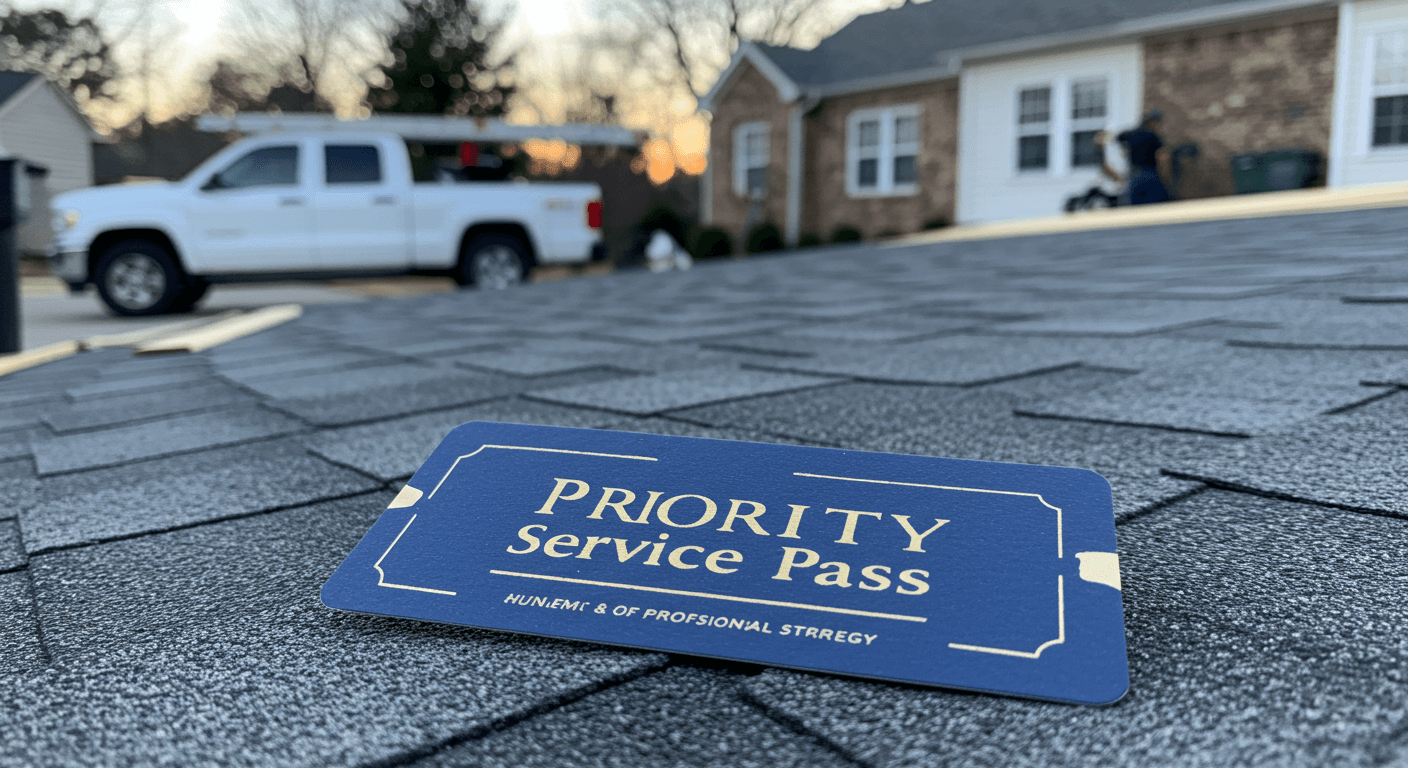
When you finish a job, the psychological "warmth" of your brand is at its highest. This is the moment to deploy your referral strategy. Jaxon started using a "Golden Ticket" system where the homeowner was given three physical, high-quality cards to give to neighbors. These weren't coupons; they were "Priority Service Passes."
If you find that your current referral volume isn't keeping the crews busy, you might need to look at how you are verifying the quality of your incoming opportunities. I often tell my clients that consistent lead verification is the bridge between a struggling season and a record-breaking one. When you combine a solid referral engine with verified job opportunities, your sales team stops wasting time on tire-kickers and starts closing high-margin projects.
Implementation: The Three-Touch Referral Script
A referral program only works if your sales reps actually use it. Most reps hate asking for referrals because they feel like they are begging. We have to change the talk track to make it a value-add. Here is the script I had Jaxon’s team implement during their final inspections:
"Mr. Homeowner, we are incredibly proud of how this architectural shingle looks on your home. Our goal is to be the go-to roofer for this entire block in Greenwood. Because you were our 'Anchor Project' for this street, I want to give you something to pass along. These are three Priority Inspection Passes. They guarantee your neighbors a spot at the front of our line if we get another one of those Indiana hailstorms. It makes you the hero, and it helps us keep our crews working right here in your neighborhood instead of driving across the city."
This approach works because it leverages the Western States Roofing Contractors Association philosophy of professional elevation. You aren't asking for a favor; you are providing a service to their social circle.
Do not just send a thank-you note when the check clears. Set a calendar reminder for 45 days after the job is finished. Send a personalized video or a small, locally-sourced gift (like something from a Broad Ripple bakery) to the homeowner. This is exactly when the "new roof smell" has worn off and they are most likely to have a neighbor ask about the project. This "Second Peak" of engagement is where the highest-quality referrals are born.
Future Projections: Digital Referral Portals
Looking ahead to the next 3.5 years, the trend is moving toward digital transparency. Homeowners want to see the status of their referrals in real-time. If they send you a neighbor, they want to know that neighbor was treated well. Implementing a simple portal where they can see "Referral Received," "Inspection Completed," and "Reward Earned" builds massive trust.
If you are struggling to build this kind of tech stack or simply need more volume to start the engine, reach out to our team to see how we can stabilize your pipeline.
How much should I actually pay for a referral in the Indianapolis market?
While cash amounts vary, we see the best results with a tiered system. Offer $225 for the first referral, $350 for the second, and a "Neighborhood MVP" bonus of $600 for the third. This gamifies the process and encourages repeat advocacy rather than a one-off transaction.
Is it better to give a discount to the new customer or a reward to the referrer?
Data shows that a "dual-sided incentive" is most effective. Give the referrer $200 and the new customer a $250 credit toward an upgraded shingle or a gutter cleaning. This removes the "guilt" of the referrer profiting off their friend because the friend is also getting a deal.
When is the absolute best time to ask for the referral?
The "Peak of Satisfaction" is usually about 17 minutes after the homeowner has walked the perimeter of the house and seen the clean driveway. Their dopamine levels are high, and they are most likely to commit to helping you. If you wait until the invoice is mailed, you have already lost the emotional momentum.
Should I use physical referral cards or a digital link?
In the roofing world, both are necessary. Use high-quality, physical "Priority Passes" for the face-to-face interaction, but ensure they have a QR code that links to a digital form. This caters to both the older demographic in established Indy neighborhoods and the tech-savvy homeowners in newer developments.
- /blog/roofing-sales-psychology-closing-more-leads
- /blog/scaling-your-roofing-crew-efficiency
- /blog/indianapolis-roofing-market-trends-2024