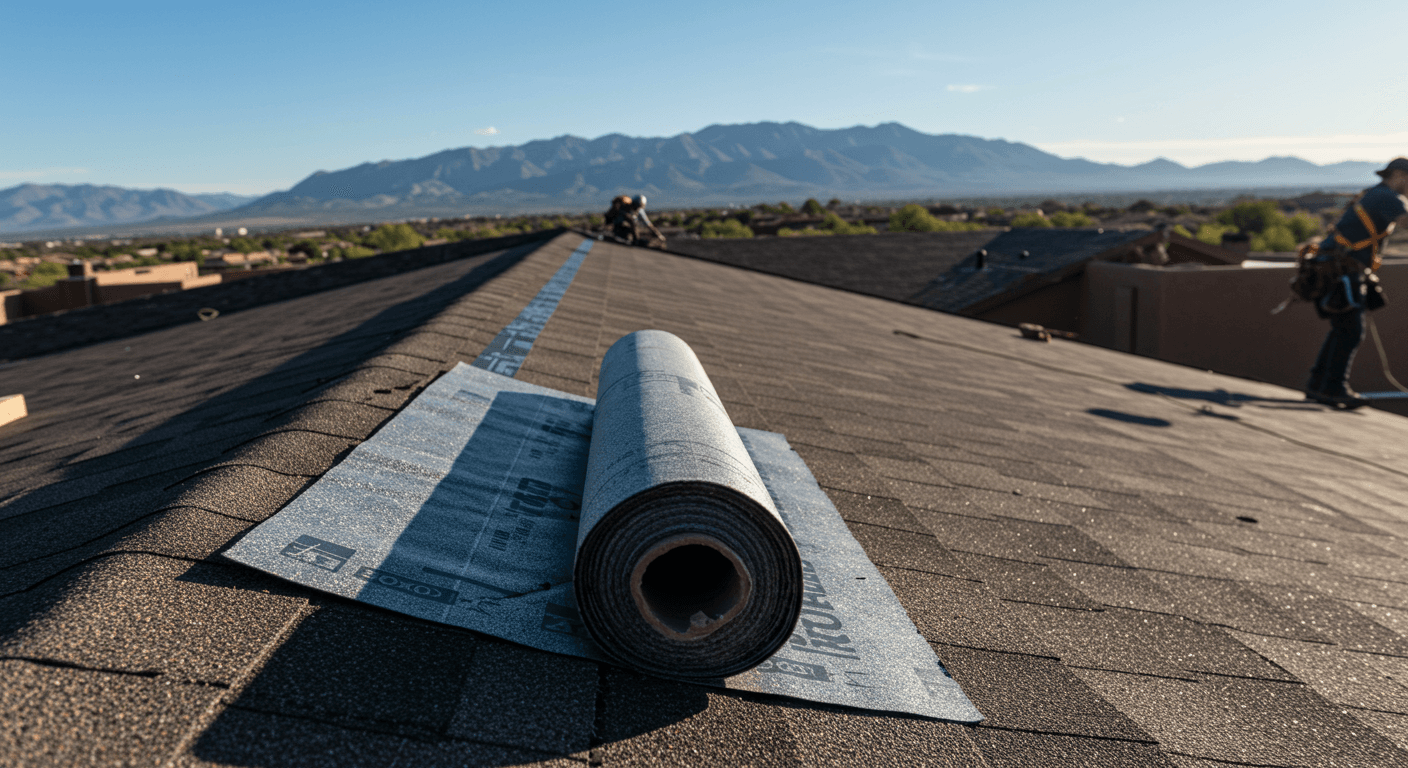
Swapping a 4.1% net margin story for a 19.4% outcome is less about luck and more about what you treat as standard. Across the South Valley, plenty of crews still file ridge venting and upgraded underlayment under "extras" while the sharper shops bake them into the warranty story from the first conversation. The fear is always the same: sound too salesy and lose the deal. In practice, leading with what the assembly needs in real heat tends to read as competence, not pressure. I watch owners avoid high temp underlayment because they do not want the pushy label, then they get surprised when three summers of attic bake shows up as brittle tabs and angry voicemails.
Table of Contents
Technical first framing turns ventilation and deck protection into baseline expectations instead of optional line items.
The high desert reality behind the pitch
Heat is not a comfort talking point. It is the stress test on every layer you sell.
When I started working with Jaxon out of Rio Rancho, he was sitting around a 24% close on retail leads. He winced every time he said ridge vent or synthetic underlayment, like he was selling floor mats on a work truck. We reframed the whole job: in New Mexico, the sun and attic stack are what age the roof, not whether the homeowner personally cares about vents.
Attic air can blow past 150 degrees by mid afternoon. That is not trivia for a shingle warranty file. Once Jaxon started treating upgrades as defense against early failure instead of a premium badge, homeowners leaned in. Thermal photos behind soffits did more than any brochure. He quit asking if someone wanted "better ventilation" and started asking if they were okay with trapped attic heat shaving years off tab life. Small language change, big trust shift.
Demand for skilled installers is not disappearing, but the market keeps rewarding reps who can explain systems. The BLS occupational outlook for roofers is a useful reminder that the trade stays busy. The differentiator is whether your team can carry a technical story without sounding like they are hiding something until the last page of the proposal.
Bridge the gap before the kitchen table
If the first time they hear underlayment math is next to the coffee maker, it will feel like a gotcha.
The common miss is saving upgrades for the end. By then the homeowner has already spent the money in their head. You want the inspection to carry the logic so the proposal simply names what you showed them outside.
Action Plan
Inspection anchor sequence
Use this flow on the property so upgrades feel like the natural fix to what you measured, not a bolt on at signing.
Name a visible failure pattern on the walkaround, for example heavy granule loss at the peak paired with stale attic air that is not moving.
Tie it to local climate, for example relentless UV in central New Mexico and wide temperature swings that dry standard felts faster than homeowners expect.
Spell out the risk of the baseline spec, for example basic felt that survives the permit inspection but leaves the deck exposed longer during monsoon delays.
Bridge straight to the assembly that removes the risk, ridge exhaust balanced with intake, high temp underlayment where the deck bakes, and photos that prove why.
When Jaxon ran this order, his close climbed to 38% in about eleven weeks and his average ticket jumped by roughly $2,100. He was not talking faster. He was explaining earlier. Santa Fe roofs fail for different reasons than Seattle roofs, and he finally sounded like someone who knew the difference.
How two shops talk about the same roof
| Topic | Late add, price first | Inspection led, risk first |
|---|---|---|
| When ventilation shows up | End of proposal as an optional line | While you still have boots on the roof |
| How underlayment is framed | Hidden code minimum language | Deck exposure time and heat tolerance |
| Homeowner takeaway | Feels like upsell pressure | Feels like a documented plan |
When ventilation shows up
How underlayment is framed
Homeowner takeaway
Same crew, same supplier. The margin difference is mostly sequencing and proof, not magic closing tricks.
Revenue protection lives in fewer hot rooms
Ventilation and deck upgrades are not only ticket builders. They are how you buy back office time.
Every callback for a hot bedroom or a small leak at a bath vent is labor, fuel, and a slot you could have sold to someone else. Model a conservative $475 all in cost per return visit. At a hundred roofs a year and low teens percent tied to airflow mistakes, you are quietly funding a second truck you never meant to run.
Intelligence Deep Dive
The hidden invoice behind a hot attic callback
"Treat ventilation and high temp underlayment like internal insurance. You pay for it on the front contract so you are not financing free fixes with crew overtime later."
Synthetic underlayment also changes how your people work the deck. When you explain that your material choice supports OSHA Stop Falls expectations on steep pitches, homeowners hear that you run a serious field operation, not a crew cutting corners on grip while the deck is still slick from morning dew.
Thermal proof on a budget
"Carry a handheld infrared thermometer under $150. On afternoon estimates, show the gap between ceiling surface temp and attic air. Numbers on a screen beat adjectives every time."
Price talk from Las Cruces to Los Alamos
Income swings across the state change tone, not the math.
You will hear some version of, that feels high for a few vents. Fair. The pivot is cost of ownership versus cost of installation. A Farmington team I coached kept losing to a low bidder by about three thousand dollars. We stacked an extra $1,400 in balanced venting and upgraded underlayment, then walked the homeowner through added service life. On a fifteen thousand dollar assembly, stretching usable life by a few years turns the upgrade into a monthly line item instead of a sticker shock moment.
If you are trying to scale without simply buying more at bats, tightening how reps teach value matters as much as any ad tweak. The scoring, alerts, and CRM handoffs in LeadZik exist so your best talk tracks land on homeowners who already signaled a real project, not a price quote hobby.
Balance exhaust and intake
Do not stack exhaust without soffit or intake math. Too much exhaust with weak intake can pull moisture in during monsoon pushes. Model the system, then install it.
Implementation without a culture speech
You get what you inspect, not what you post on the whiteboard.
Pull your last fifty contracts. If fewer than thirty percent carry a meaningful ventilation or underlayment upgrade, you already found the leak. Pair that review with a simple good, better, best sheet where good still clears manufacturer baselines and best is what you would install on your own house.
Jaxon started presenting a High Desert protection package as the normal path and pushed the skinny spec to a clearly labeled economy tier. People do not like buying the cheap version of a thirty year decision. When your pipeline is full of homeowners who only want a bid to shop, it is worth asking whether intake is broken upstream. Read how LeadZik approaches lead quality and contractor first tooling so field time lands on people who intend to buy an assembly, not collect a stack of comparison quotes.
Thirty day rollout checklist
Audit fifty signed jobs for venting, underlayment tier, and photo evidence in the file.
Build a twelve image failure gallery from your own installs and local tear offs.
Require one attic or deck photo on every retail proposal before it leaves the CRM.
Roleplay the inspection anchor sequence twice a week with recorded feedback, not open discussion only.
Track average ticket, close rate, and callback tags so the team sees the lag between talk and profit.
What changed for Jaxon in Las Cruces
Heat and airflow became the headline risk, not a footnote after the total.
Upgrades moved into the inspection story so proposals read like documentation, not surprises.
Callback dollars were treated like a line item, which made premium assemblies easier to defend.
Good, better, best stayed honest, but the middle option stopped feeling like a compromise.
Closing thought
The $142,680 number was not a personality transplant. It was disciplined language and proof.
Selling ventilation is not about being loud. It is about being specific in a climate that punishes vague specs. When you move the culture from order taking to system consulting, you protect the house and your own net. That is the difference between a commodity bid and a shop people trust when the attic is cooking.