The shops that stall near $2.3M and the ones that push past $8.7M are often separated by one habit. Either the sales floor chases speed and quote volume, or it trains reps to earn authority before money changes hands. Trust is not a mood. It is a sequence: show up prepared, verify what you claim, document what you saw, and repeat the same story every time so the homeowner is not guessing what your crew will actually do.
This article walks through a 12-point trust audit one Texas roofing team used to cut callbacks by 21.6%, lift average ticket about 14.7%, and shorten the window between inspection and a signed contract. The point is not charisma. It is a checklist your best rep already follows in their head, written down so everyone else has to keep pace.
What a trust audit changes on the P&L
Shops that document scope clearly tend to see fewer disputes and less rework, often in the high teens as a percent of job cost once the process holds for a few quarters.
Transparent photo reports and upgrade math make it easier to sell ventilation and better underlayment, which is where many teams pick up that 14.7% style lift on ticket size.
When every rep follows the same inspection script, the same office can usually handle more appointments without quality sliding, often north of a ten-point gain in throughput.
Referrals climb when neighbors hear a consistent story about how your crew works; teams that commit to the audit often see referral share move up by a third inside the first year.
Transactional speed versus relational authority
Why being the fastest quote in the neighborhood stopped being enough.
Waiting for a homeowner to feel good about your number is not a plan. It leaves revenue on luck. Skepticism is baked into the roofing contractor market, where crowded ad space and overlapping door tags train buyers to assume everyone is selling the same bundle. When your internal question flips from how do we close this lead to how do we prove we know this roof, close rate stops swinging week to week and starts reading like operations data.
Recent roofing market statistics keep pointing at transparency and reliability as buyer priorities. Being first with a price still matters in a hail corridor, but it is no longer the main driver of high-margin work. Buyers want someone who can explain why the ridge vent matters, not just what the square count is.
I coached a rep named Wesley who was winning on activity and losing on margin. His file count looked healthy, yet every job was a price fight. We listened to a few appointments and the gap was obvious. He talked shingles, tossed a total, and headed for the truck. He never walked the attic, never tied ventilation to summer deck temps, never gave the homeowner language they could repeat to a spouse. We rebuilt his first visit around education. Inside four and a half months his average contract moved from $11,340 to $13,912 without a product swap. The roof was the same. The buyer's confidence was not.
Numbers vary by market, but the pattern holds: clarity on site beats chasing people later with voicemails.
Trust as a line item
Think in margin, not vibes. A shop that closes 22% of leads at 28% gross is always one slow month from panic. A shop that earns trust on the first visit can sit closer to 31% close at 34% gross because it is not buying jobs with discounts. When a homeowner believes you are the one who understands why the ridge vent failed or how ice and water shield should meet the gutter line, they will often pay a meaningful premium for certainty.
Transactional selling versus trust-based selling
| Metric | Transactional model | Trust-based model |
|---|---|---|
| Average close rate | 18% to 22% | 29% to 35% |
| Gross profit margin | 25% to 28% | 32% to 38% |
| Referral frequency | Roughly 5% to 8% | Roughly 22% to 27% |
| Time to decision | Often 4 to 7 days | Often 2 to 4 days when doubt is cleared on day one |
Average close rate
Gross profit margin
Referral frequency
Time to decision
Ranges are illustrative from coaching cohorts; your market, carrier mix, and retail share will move the exact points.
The 12-step trust audit
A shared checklist beats hoping your best rep carries the whole brand.
Price wars shrink when every appointment follows the same proof path. The Texas crew I reference started by tightening how intake lines up with what the rep will actually inspect, so the first conversation matches the photos later that night. Consistency is the trust lever most owners skip because it feels bureaucratic. In practice it is what keeps callbacks from eating your labor budget.
Action Plan
The 12-point contractor trust audit
Run these on every qualified appointment so the homeowner experiences the same competent visit whether your veteran or a new hire opens the ladder.
Send a short pre-arrival video: face, name, and what your multi-point inspection covers.
Show up in clean branded gear with visible ID so the visit feels like a real company, not a flyer.
Invite the homeowner on a perimeter walk and point to drip edge, flashing, and obvious wear together.
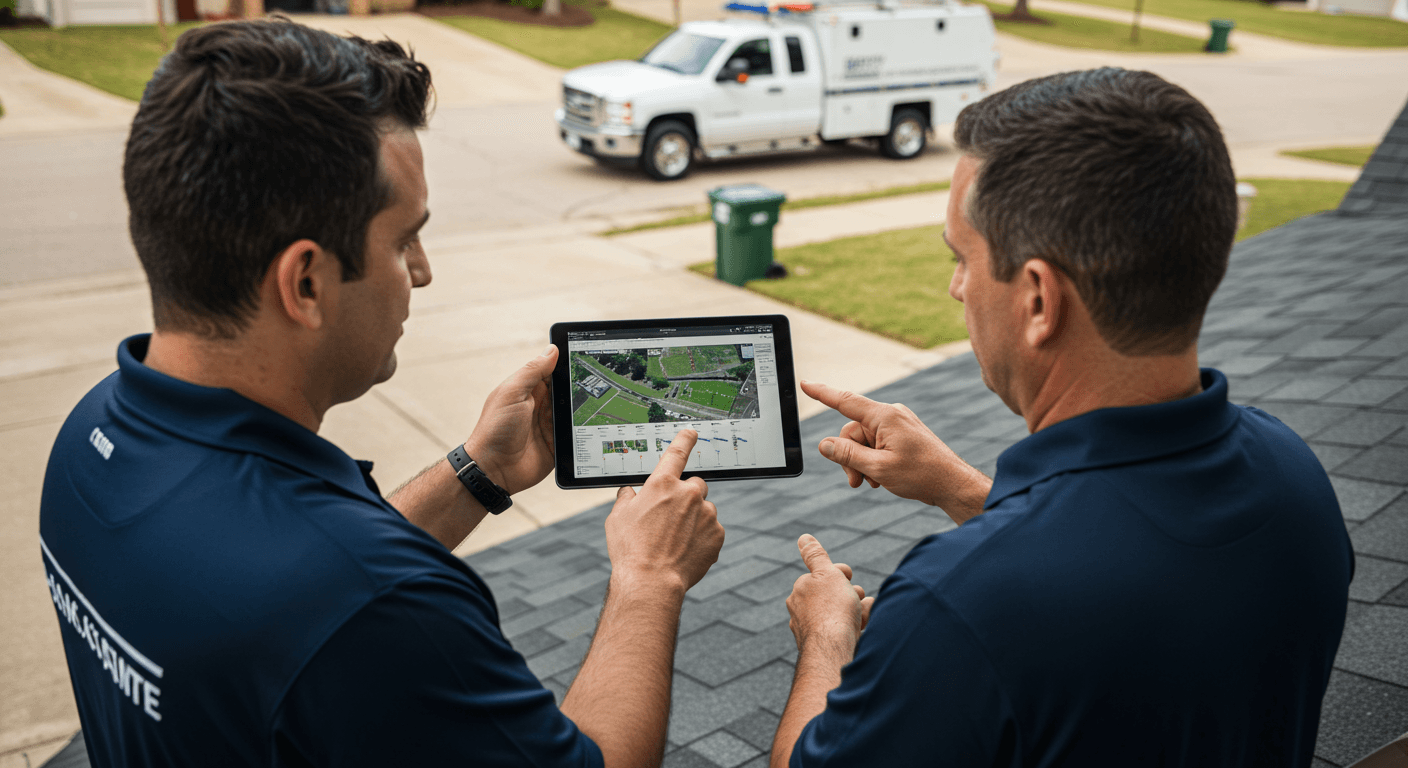
Bring aerial or drone context for slopes they cannot see from the yard.
Inspect the attic before you pitch a shingle package. Decking, insulation, and moisture tell the truth.
Use a moisture meter where stains or smell justify it, and show the reading instead of declaring mystery leaks.
Present good, better, and best with warranty and energy tradeoffs spelled out in plain numbers.
Email or text a photo report before you leave the block so the spouse sees the same story.
On claims, offer to meet the adjuster and walk code items calmly so nothing gets skipped in haste.
Hand over three nearby references with addresses the homeowner can drive past.
Close with if it were my house language, not tonight-only pressure.
Leave a one-page roadmap from contract signing through tear-off, install, magnetic sweep, and final walk.
Technical detail is a trust shortcut
Reps often hide behind simple pitches because they worry detail bores people. In real kitchens, detail signals care. If you can explain how soffit intake pairs with ridge exhaust to pull heat off the deck, you are not reciting a brochure. You are giving them a reason to pick Class 4 or a thicker underlayment that fits their wind exposure.
Attic before ladder
"Ask to see the attic before you walk the roof. It signals thoroughness, catches hidden deck issues early, and separates you from crews that only sell what is visible from the street."
Insurance jobs need extra patience
After hail, homeowners get buried in door hangers. Local tenure matters. Saying you have worked the county for fourteen years only helps if your process proves it. Show a sample supplement request. Explain how you document code-required ice and water, starter, or ventilation upgrades so adjusters see line items they might have missed. That level of specificity makes the low bid look careless instead of clever.
Some owners I work with got tired of burning time on homeowners who were never serious about moving forward. They tightened qualification upstream and put the energy they saved into becoming the calm voice on claims. If you want a low-risk way to test whether your market rewards that focus, start with $150 in LeadZik credits and preview verified scopes before you expand spend. It keeps the trust audit aimed at people who already raised their hand with real damage or age-related need.
Trust mistakes that cost the job
Talking over people with jargon that makes them feel foolish. Trashing competitors, which reads as insecurity. Missing a promised follow-up window, even by a few minutes. Forgetting to spell out how you handle nails, magnets, and daily cleanup. Those slips undo hours of solid inspection work.
Measure what trust actually fixed
Track lead-to-inspection rate so you know people still let you on the roof. Watch average ticket to see if upgrades stick once documentation improves. Scan reviews for language about peace of mind or thoroughness, not just price. If ticket and review quality flatline for a year, your floor is probably still transactional no matter what the Monday meeting slide says.
A trust audit is culture work. Skip the attic once because you are running late, and the team learns the list is optional. Hold the line, and callbacks fall because the homeowner already saw the proof.
Common Questions
Roofing is risk management first and shingles second. Systematize trust and you build a buffer low bidders cannot copy without doing the same work.