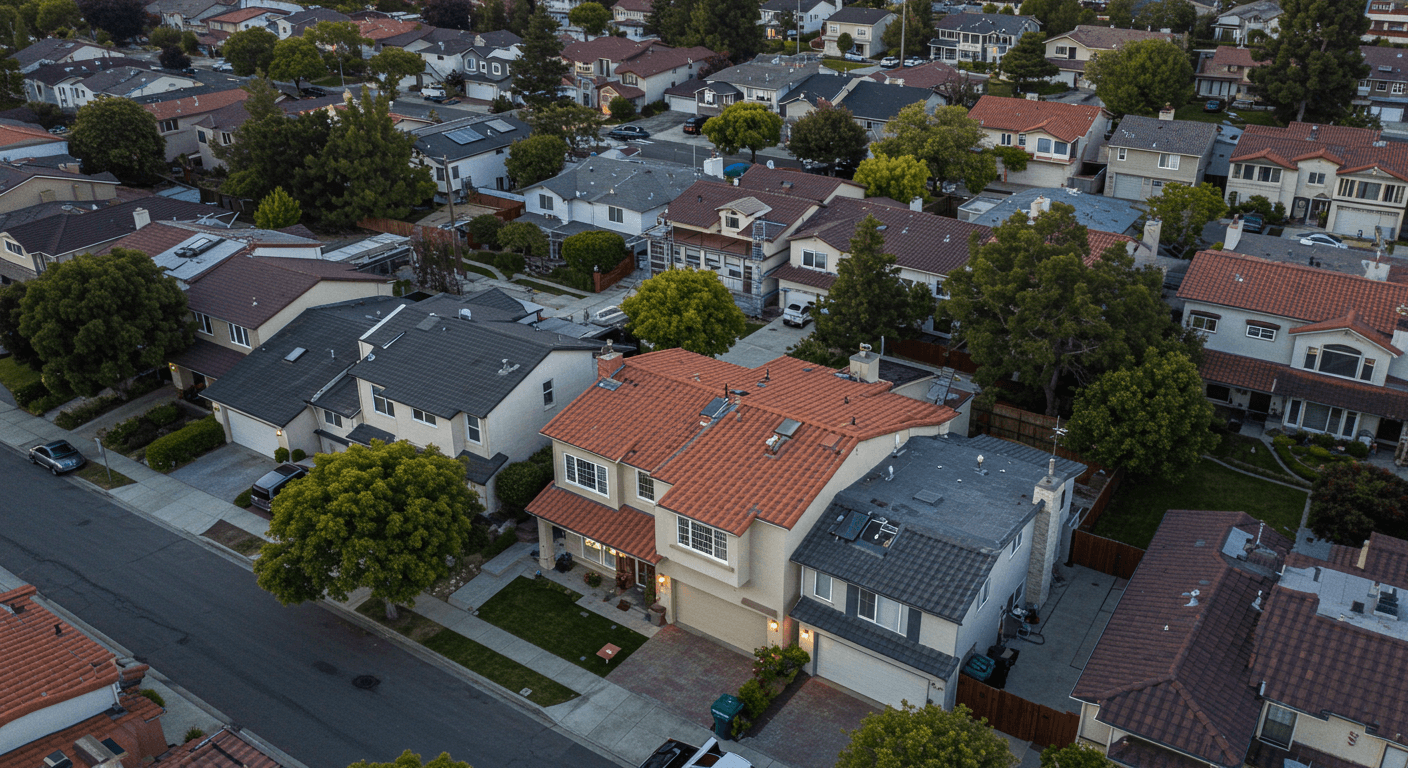
Walking through a steep driveway in Willow Glen, I watched Vance kick a piece of loose flashing that had tumbled off his trailer. He wasn't frustrated by the scrap metal; he was staring at the Victorian three doors down where a competitor's yard sign had just been hammered into the lawn. "Ethan," he muttered, "I have done four full replacements on this specific block since 2021, and I still didn't even get a chance to bid on that one." We pulled his CRM data right there on the tailgate of his truck. Despite maintaining a 4.9-star rating, only 8.4% of his 197 projects last year originated from direct referrals. He was paying a silent tax on every neighborhood he entered because his referral strategy was essentially a "hope they tell a friend" prayer rather than a hard-coded business process.
In a hyper-competitive market like San Jose, where a single valid lead from Google Local Services Ads can cost upwards of $245, leaving your referral pipeline to chance is a recipe for stagnant margins. Silicon Valley homeowners are notoriously research-heavy and community-oriented. If you aren't systematizing the "ask," you are handing your neighbors to the guy with the bigger ad budget.
At a Glance
Systematizing referrals can reduce your Customer Acquisition Cost (CAC) by as much as 61.3% compared to digital ads.
Automated multi-touch follow-ups ensure you capture the "referral window" within the first 14 days of job completion.
Tiered incentive structures encourage repeat advocacy from San Jose property managers and real estate agents.
Strategic neighborhood positioning turns a single job site into a high-intensity lead magnet for the entire ZIP code.
The San Jose Referral Leak: Why Your Current Approach Fails
Most contractors I work with in the South Bay think they have a referral program because they tell their crews to "be polite" and they hand out a business card at the final walkthrough. This is not a program; it is a suggestion. In an area like Almaden Valley or Rose Garden, homeowners are bombarded with marketing. Your business card ends up in a junk drawer or the recycling bin within 45 minutes of your truck leaving the curb.
The primary issue is the "referral gap." This is the time between when a customer is most excited (when the roof is finished) and when their neighbor actually needs a roof (which could be six months later). Without a system to stay top-of-mind, you lose that connection. I analyzed a client's books recently and found that while they had 412 "happy" customers, their referral rate was under 6.2%. After implementing a structured follow-up, that number jumped to 15.7% in just nine months.
Passive Word of Mouth vs. Systematized Referral Engine
| Feature | Passive "Word of Mouth" | Systematized Referral Engine |
|---|---|---|
| Primary Driver | Customer Memory | Automated CRM Triggers |
| Incentive Type | "Thank You" Note | Cash, Gift Cards, or Tiered Rewards |
| Tracking | Informal/Anecdotal | Digital Referral Codes/Links |
| Timing | Random | 1, 30, and 180-day follow-ups |
| Average Conversion | 3% - 5% | 12% - 18% |
Primary Driver
Incentive Type
Tracking
Timing
Average Conversion
Analyzing the Math: CAC vs. Referral Rewards
If you are running ads in San Jose, you know the pain of the "Silicon Valley Tax." Between the high cost of living and the concentration of tech-savvy marketing firms, your digital spend is likely your second-highest expense after labor. When we look at the Small Business Administration (SBA) guidelines for scaling, they emphasize maximizing existing customer value.
Let's look at the numbers Vance and I crunched. A typical replacement in San Jose averages about $19,430.
- Cold Lead (PPC): $250 lead cost + 15% closing rate = $1,666 acquisition cost.
- Referral Lead: $250 reward + 45% closing rate = $555 acquisition cost.
By shifting just 11% of your lead volume from cold sources to referrals, you could save over $12,000 for every ten jobs you close. This is capital that could be reinvested into better equipment or crew bonuses. If your current lead flow isn't keeping your crews busy enough to even think about these numbers, you might need to look at how verified leads work to bridge the gap while you build your referral engine.
The average cost savings when shifting from cold PPC leads to structured referral programs in competitive markets like San Jose.
The Three Pillars of a High-Conversion Referral Engine
1. The Immediate Gratitude Loop
The moment the final inspection is signed off, the clock starts ticking. I recommend a "Thank You" package that arrives via physical mail (not just email) within 72 hours. In that package, include three high-quality "Neighborhood Referral" cards. Each card should have a unique code tied to the homeowner. This turns your customer into a stakeholder in your success.
2. Tiered Incentives for San Jose Power Users
Not all referrals are equal. A one-off neighbor is great, but a property manager in Campbell who oversees 24 units is a goldmine. Create a tiered system:
- Level 1: $150 for the first referral.
- Level 2: $250 for the second referral.
- Level 3: $500 or a "Community Champion" status for the third and beyond.
3. The Neighborhood Champion Program
This is a tactic I saw work wonders for a shop in Sunnyvale. When you finish a prominent roof on a busy street, offer that homeowner a "Yard Sign Extension" bonus. For every week they leave your sign up past the completion date (up to four weeks), they get a $55 credit or a gift card to a local spot like Santana Row. This keeps your brand visible in the specific micro-market where you just proved your quality.
The 'Reverse Referral' Hook
"Instead of just asking for a name, ask your customer if they belong to any local Nextdoor groups or HOA boards. Offer to provide a "Group Discount" code specific to their neighborhood (e.g., #WillowGlenRoof). This makes the customer feel like they are providing value to their neighbors rather than just "selling" for you."
Implementation: Tools and Timelines
Building this doesn't require a degree from Stanford, but it does require a CRM. Whether you use JobNimbus, AccuLynx, or a custom Salesforce setup, you must automate the "ask." If you rely on your sales reps to remember to ask for referrals, you will fail 80% of the time because they are already chasing the next commission.
Action Plan
Automated Referral Follow-Up Sequence
A four-touchpoint system that keeps your brand top-of-mind during the critical referral window without requiring manual intervention from your team.
Day 1: Automated text with a link to a review site.
Day 7: Physical thank-you gift arrives.
Day 30: "How is the roof looking?" check-in email with a referral reminder.
Month 6: A seasonal maintenance tip (e.g., clearing gutters before the winter rains) with another referral offer.
Want to skip the manual work and get exclusive, verified leads instead?
Get $150 in Free CreditsFor those who need help structuring these business systems, reaching out to a mentor through SCORE can provide the operational framework needed to manage this at scale. I've seen shops transform their pipeline by simply putting these four touchpoints on autopilot.
While we focus on referrals here, the founding team at LeadZik actually started our platform because they saw how even the most efficient referral programs can have "dry spells" that need to be filled with high-quality, exclusive leads.
The ROI of Systematized Advocacy
I recently revisited Vance after he spent six months running this automated system. His referral rate didn't just climb; his average ticket price increased by 14.2%. Why? Because referred customers are less likely to haggle on price. They already trust you because their neighbor, who is likely an engineer at Google or Apple, already did the vetting for them.
Referrals are the only lead source that gets cheaper and more effective the more you use it. Unlike Facebook Ads, where the algorithm changes or the cost per click spikes, your referral network is an asset you own. You can find more deep dives into specific marketing channels and how they interact with your bottom line on our LeadZik blog.