The idea that ridge vents and high performance synthetic underlayment are optional upsells is one of the quietest profit leaks I see in the Northeast. Plenty of owners still price the shingle swap first, then treat the system pieces like polite add ons they can skip if the homeowner flinches. In Fairfield or Hartford, that usually reads as friendly. In the field, it reads like a warranty fight waiting to happen. In the Connecticut shops I reviewed last quarter, about 23.6% still treated ridge ventilation like an optional line they could peel off if the bid felt tight.
Ventilation framed as an "extra"
Connecticut averages about 48.4 inches of rain a year, and a week can swing 60 degrees. When intake and exhaust are treated as negotiable, you are not protecting the homeowner. You are gambling that moisture, heat, and manufacturer language never line up against you.
Here is the split that shows up in the numbers. A lot of crews grind for roughly 21.3% gross margin on basic shingle swaps, while the top slice in the state is closer to 34.7% because the conversation starts with the roof as a system, not a commodity SKU. If your reps will not touch a $1,450 ventilation correction because they fear losing the deal, the hidden cost is not just the missed margin. Callbacks and weak referrals stack up. In the shops I track, that hesitation costs about $2,742 in lifetime value per customer once you bake in rework and lost word of mouth.
When ventilation, underlayment, and accessories are prescribed instead of suggested, tickets climb without the circus of endless options.
Prescriptive selling beats a menu of maybes
Homeowners want a plan, not three SKUs they cannot compare.
I spent a week with a rep named Preston who was closing about 26% of his leads while his average ticket sat near $12,840. He told me ridge vents and starter strips felt slimy, like he was upselling a car warranty. His instinct was to lead with the lowest number, then ask permission to add pieces. That sounds respectful. It trains the buyer to treat the roof like a coupon hunt.
We changed the language from add ons to diagnosis. Instead of asking if they wanted ventilation, he walked the attic, named what was blocked, and explained what happens when shingles cook from the underside. When he tied that story to permit level work and manufacturer expectations, his close rate moved to 31.4%. The paradox of choice is real in roofing. Three underlayment picks usually sends people to the cheapest line they do not understand. One prescriptive call tied to pitch, wind, and ice dam history shifts the conversation from price to protection.
System sales fundamentals
Stop selling upgrades. Prescribe what the assembly needs for code, climate, and warranty.
Use local weather patterns and ice dam history to justify premium underlayment without sounding theatrical.
Anchor on total cost of ownership, not the shingle line item homeowners memorize from neighbors.
Give reps simple proof tools, hygrometers and thermal images, so ventilation gaps are visible, not debated.
Connecticut climate should drive the material mix
Snow load, salt air, and swingy weeks punish shortcuts.
This state is not Florida and it is not Arizona. Roofs in the quiet corner see real snow loads. Along the Sound you pick up salt air that chews at exposed metals faster than inland crews expect. That is why I still see NRCA guidance on ventilation and moisture control cited on every serious production huddle. Ventilation is not a comfort talking point. It is how you keep attic moisture from becoming rot in a region that cycles wet and cold.
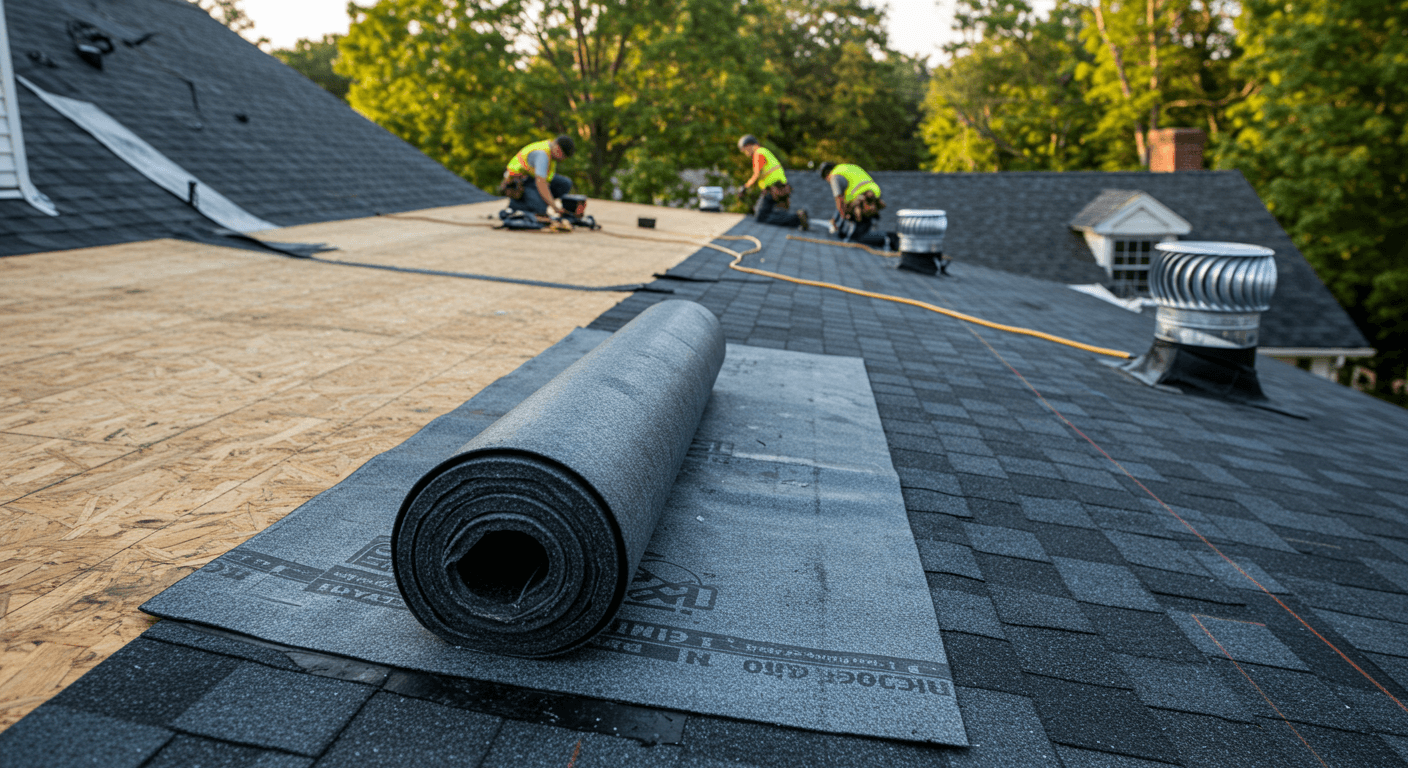
I have watched Bridgeport shops bleed profit on 15 pound felt because it looked cheaper on paper, about $430 a job in their math. Wet felt wrinkles, telegraphs through the field, and burns crew time fixing cosmetic waves. A high grip synthetic buys speed, safer foot traffic, and a cleaner story in the living room when you explain why the deck stays dry during the vulnerable days between tear off and dry in.
Ice and water shield gives you a natural teaching moment. Code wants protection two feet inside the wall line. When you extend coverage in valleys, penetrations, and problem eaves, you are not padding the bid. You are showing the homeowner the difference between minimum legal cover and the $8,700 interior repair bill that follows a bad February freeze. That is risk language, not hype.
Rename the upgrade conversation
If it sounds optional, it will get treated like a luxury.
The word upgrade lights up skepticism. It sounds like leather seats. We train teams to run a diagnostic review instead. You are not selling extras. You are documenting what fails if ignored, then locking the fix into the standard you will sign.
Action Plan
Diagnostic review talk track
A four beat script that keeps the homeowner on physics and warranty, not haggling over line items.
Open with what you measured: blocked soffit intake, ridge exhaust gaps, attic delta versus outdoor air.
Name the failure mode: trapped heat accelerates shingle aging and voids key warranty protections when ventilation math is off.
Prescribe the correction as part of your high performance system, not a side cart item.
Contrast your scope with the cheaper bid that left ventilation untouched so savings read as deferred liability.
When you walk that path calmly, you look like the contractor who actually reads manufacturer literature. The guy who is $2,000 lower without touching ventilation starts to look careless, not competitive.
The warranty gap close
"When someone pushes back on ventilation dollars, pull the shingle warranty language. Most major brands tighten or void coverage when ventilation does not meet 1:150 or 1:300 rules. Let the fine print do the heavy lifting so the fix feels required for the investment they already want to make."
Lead quality sets the ceiling on system selling
You cannot diagnose a roof for someone who only wants a closing number.
Even strong talk tracks stall when the lead source trains homeowners to collect five bids and vanish. If your reps live on shared lists built for speed, they burn out defending price instead of teaching the assembly. I see cleaner closes when owners prioritize verified project intent before the truck rolls. When the homeowner already acknowledged a real problem, your team can spend minutes in the attic instead of minutes apologizing for being higher than a flyer crew.
Exclusive, well qualified leads are not magic. They just remove the auction mindset. In the data I trust, closing on system upgrades lifts about 12.4% when reps are not racing strangers who only need a real estate punch list item checked off.
Underlayment is a production asset and a margin lever
Show the sample. Let grip and coverage do the selling.
Traditional felt versus a system based underlayment plan
| Factor | 15/30# felt habit | High performance synthetic |
|---|---|---|
| Material behavior | Wrinkles and softens when damp | Holds flat through moisture cycles |
| Crew speed | Slower laydown, more tear fixes | Larger rolls, faster dry in |
| Exposure window | Risky if weather stalls the job | Longer UV and moisture tolerance |
| Margin story | Treated as included, zero lift | Clear upgrade value, $600 to $1,200 typical spread |
Material behavior
Crew speed
Exposure window
Margin story
Synthetic underlayment is not a secret upsell hiding in the truck. It is a second line of defense homeowners can touch. Grip matters to your crew. Moisture control matters to the rafters. Trade press coverage from Roofing Contractor keeps pointing in the same direction: high performance synthetics reduce blow off risk during the most exposed days of an install. That is a production story and a sales story in one package.
Train the team to find hidden revenue
Make the premium scope the default, then let homeowners opt out with eyes open.
The best Connecticut shops I work with run a weekly post mortem on losses. They read the estimates line by line. Missing starter? Skipped drip edge? Chimney flashing vague? Usually the rep was trying to keep the page thin. That habit costs more than any single discount.
Flip the model. Quote maximum protection first: synthetic underlayment, balanced ventilation, accessories that match manufacturer detail drawings. Call it your professional standard. If budget forces a step down, make them say no to a named risk. It is harder to reject valley leak protection than to reject a generic upgrade.
Scale comes from better hours, not more hours
System selling raises revenue per appointment when the diagnosis is real.
Moving a shop from roughly $1.4 million to $3.8 million is not about working nights. It is about increasing the value of every hour on site. Education has to run both directions. Train the reps, then give them homeowners who will listen long enough for attic photos to matter.
When the words stop sounding pushy and start sounding protective, referrals follow. Roofs that breathe and shed water the way the manufacturer intended do not generate the ice dam and blister calls that poison five star averages half a decade later.
If your team cannot get the story to land, audit the front door. Are you feeding them homeowners who care about longevity, or crowdsourced price chasers? Reach our team if you want help tightening intake so reps open with scope instead of a bidding war.
Connecticut is not getting easier for low scope bidders. The contractors who compound over the next decade will treat every estimate like a professional diagnosis, not a shingle commodity trade. Start there, and the margin follows.